| Planning area | Practical recommendation |
|---|---|
| Daily pace | Usually three to four major sightseeing areas, not six or seven. |
| Transport | Use a hybrid of trains, taxis and private vehicles according to the route. |
| Hotels | Prioritize elevators, convenient pickup access and short walking distances. |
| Walking | Assess slopes, steps and attraction grounds - not age alone. |
| Meals and restrooms | Schedule them before fatigue becomes a problem. |
| Weather | Reduce outdoor time during summer heat, heavy rain or winter cold. |
| Private tour value | Highest when the group needs door-to-door movement and flexible pacing. |
Is Japan suitable for elderly travelers?
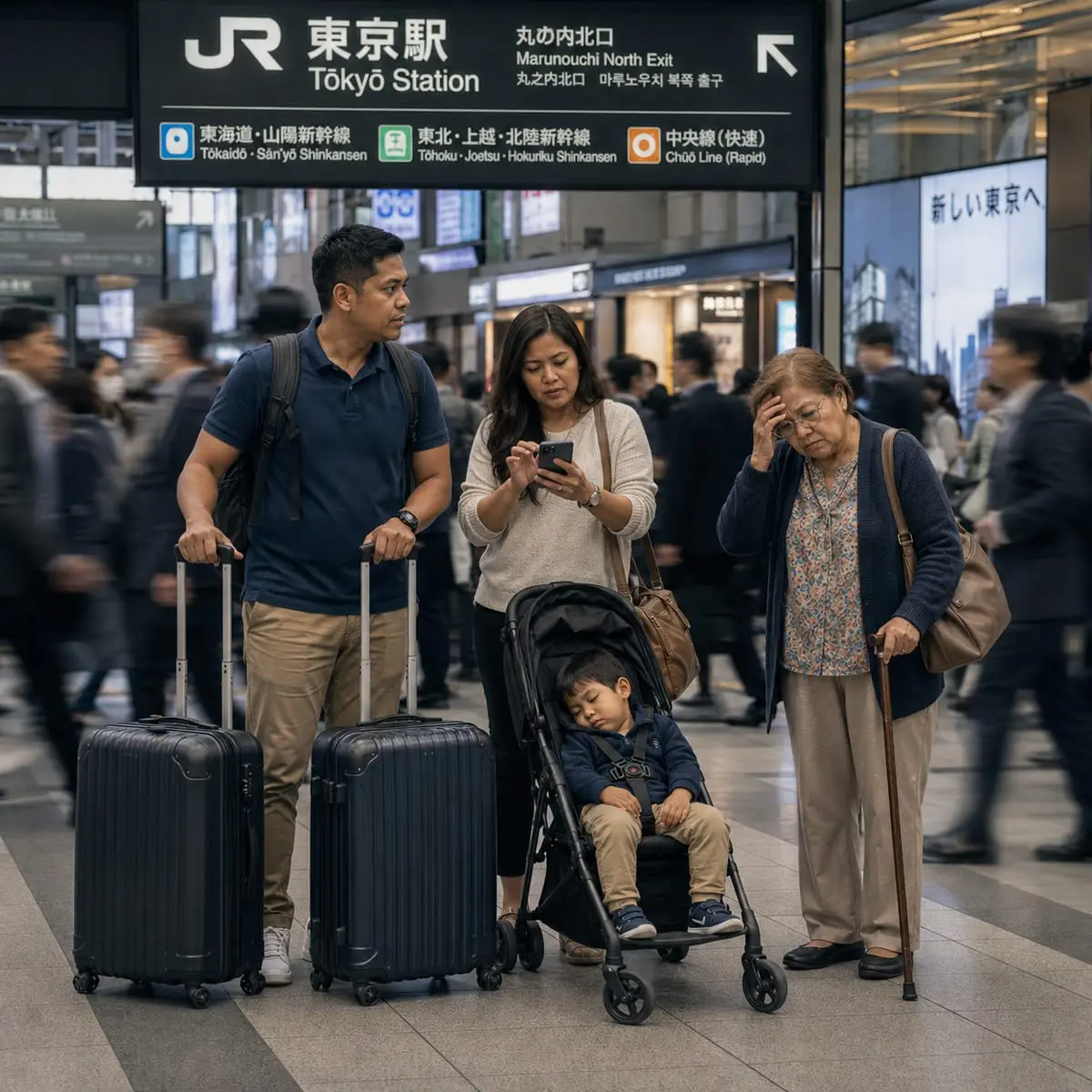
Yes. Japan has reliable transportation, clean public facilities, extensive urban infrastructure and many attractions that can be enjoyed at a slower pace. The challenge is that famous destinations often require more walking than visitors expect, including long station corridors, temple grounds, gardens, slopes and historic streets.
A comfortable trip depends less on the traveler’s age and more on stamina, balance, joint condition, ability to climb steps, sensitivity to heat or cold, need for medication, frequency of restroom breaks and confidence in crowded places.
Plan for ability, not age Two travelers who are both 70 can have completely different needs. Ask what your parent can comfortably do for ten minutes, thirty minutes and a full sightseeing morning.
Start with an honest mobility conversation
Before booking an itinerary, discuss the practical details that families sometimes avoid because they do not want to make a parent feel old or limited. Clear information allows the route to be adjusted respectfully.
- How long can the traveler walk continuously on level ground?
- Can the traveler manage stairs, slopes and uneven stone surfaces?
- Does the traveler use a cane, walker or wheelchair?
- How often are sitting and restroom breaks needed?
- Is boarding a high vehicle difficult?
- Does heat, cold or crowded transport cause discomfort?
- Are there dietary, hearing, vision or medication considerations?
- Would the traveler rather see fewer places and spend longer at each one?
This information should be shared with the tour planner before the route and vehicle are confirmed. It is easier to design the day correctly from the beginning than to discover halfway through that a famous attraction is unsuitable.
Train, taxi or private car: which is best for senior parents?
| Transport | Best use | Main limitation |
|---|---|---|
| Train | Long-distance city-to-city travel and direct urban routes | Station walking, transfers, stairs and crowds |
| Taxi | Short hotel-to-station or station-to-restaurant journeys | Small luggage capacity and rising cost over many trips |
| Private car | Full sightseeing days, airport transfers and scattered destinations | Higher cost, traffic and parking limitations |
| Shinkansen | Tokyo-Kyoto or Tokyo-Osaka travel | The family must still reach the station and manage luggage |
A hybrid plan is usually better than using one method throughout the trip. The Shinkansen is normally efficient between major cities, while a private vehicle is valuable for Mount Fuji, Kyoto cross-city touring, airport arrival days or any day when several family members need to stay together.
How many attractions should senior travelers visit in one day?
For many multigenerational families, three to four major sightseeing areas are enough. The number may be lower when the attractions involve large grounds, slopes, stairs, shopping or a long drive from the hotel.
| Day type | Comfortable planning range |
|---|---|
| Central city with easy stops | Three to five areas |
| Temple and historic-street day | Three to four areas |
| Mount Fuji or long-distance day | Three to four main stops |
| Wheelchair or frequent-rest itinerary | Two to three meaningful stops |
| Photography or shopping-heavy day | Two to four areas |
The goal is not to reach the maximum number. The goal is to finish the day with enough energy to enjoy dinner and the following morning.
Choose the hotel for the parents, not only for the view
A hotel can look convenient online while still requiring a long walk from the station, an underground passage, a steep entrance or several changes of elevator. For elderly parents, a slightly less fashionable hotel with easy vehicle access and a short walk to restaurants may improve the entire trip.
Hotel features to confirm
- Elevator access from entrance to guest room
- Step-free or low-step entrance
- Space for a wheelchair, walker and luggage
- Bathtub or shower configuration that the traveler can use safely
- Nearby convenience store and simple restaurants
- Legal pickup space for a private vehicle or taxi
- Distance from station exits rather than only the station name
- Availability of twin beds when getting in and out of bed matters
Manage luggage before it becomes the hardest part of the trip
Large suitcases create stress at stations, hotel entrances and vehicle loading areas. A family traveling with elderly parents should reduce the number of bags carried on sightseeing days and consider luggage forwarding between major hotels when it fits the schedule.
- Pack one small overnight bag for the Shinkansen day when possible.
- Do not assume a vehicle can carry its maximum passenger count and maximum luggage at the same time.
- Report suitcase quantity and approximate size before the vehicle is assigned.
- Keep medication, documents and essential items in a personal bag rather than forwarded luggage.
- Avoid asking elderly parents to pull heavy suitcases through long station corridors.
Plan around Japan’s seasons
Summer heat and humidity
Summer can be physically demanding. Use earlier starts, shorter outdoor visits, air-conditioned lunch stops, water breaks and fewer attractions. A private vehicle helps the group recover between stops, but outdoor temple grounds and parks can still be hot.
Winter cold
Cold wind, icy surfaces and shorter daylight can affect balance and comfort. Shoes with reliable grip, layered clothing and earlier return times are more important than adding another attraction.
Cherry-blossom and autumn-foliage peaks
Beautiful scenery comes with crowds, queues and slower traffic. Reduce the stop count and choose one priority seasonal location instead of crossing the city repeatedly.
Rainy days
Wet stone paths, umbrellas and vehicle loading can make movement slower. Build an indoor alternative, use waterproof shoes and avoid treating rain as a reason to rush between too many covered attractions.
Protect meals, hydration and restroom breaks
Senior travelers often tolerate an itinerary well until a late meal, dehydration or the absence of a convenient restroom creates sudden fatigue. The schedule should include a realistic lunch and regular breaks rather than assuming that food can be fitted around attractions.
- Choose restaurants with seating and predictable access.
- Avoid relying only on popular restaurants with long queues.
- Carry water and a light snack that matches dietary needs.
- Identify restrooms at major stops before the group becomes uncomfortable.
- Allow extra time for boarding, payment and walking to the restaurant.
- Tell the guide or driver when a break is needed; do not wait until the traveler is exhausted.
Medication, insurance and health preparation
Travel planning should not replace medical advice. Before the trip, travelers with chronic conditions or recent health changes should discuss the itinerary, flight, medication timing and physical demands with their own clinician.
- Carry sufficient prescribed medication in original or clearly labeled packaging.
- Keep a written medication list and important medical information.
- Store essential medication in hand luggage.
- Check travel-insurance coverage and emergency contact procedures.
- Bring copies of passports and relevant insurance details.
- Know how to contact the hotel and tour coordinator during the day.
Families should not assume that a private vehicle functions as medical transportation. If the traveler needs specialized care, lifting assistance or clinical monitoring, appropriate professional arrangements are required.
Understand where private transport reduces walking - and where it does not
A private vehicle removes many station transfers and can bring the group closer to attractions. It cannot drive through temple grounds, pedestrian shopping streets, gardens or restricted historic areas.
| Location | What the vehicle helps with | Walking that remains |
|---|---|---|
| Tokyo | Hotel pickup and movement between districts | Shrines, shopping streets, observation buildings and large complexes |
| Mount Fuji | Movement between scattered viewpoints | Parks, village paths and viewpoints; Chureito has a demanding climb |
| Kyoto | Travel between distant temple districts | Fushimi Inari, Kiyomizu slopes, temple grounds and Arashiyama |
| Nara | Direct hotel-to-park transfer | Large outdoor park and historic-site grounds |
| Hakone | Reduced transfers between attractions | Boarding, slopes, shrine paths and museum grounds |
Senior-friendly Tokyo planning
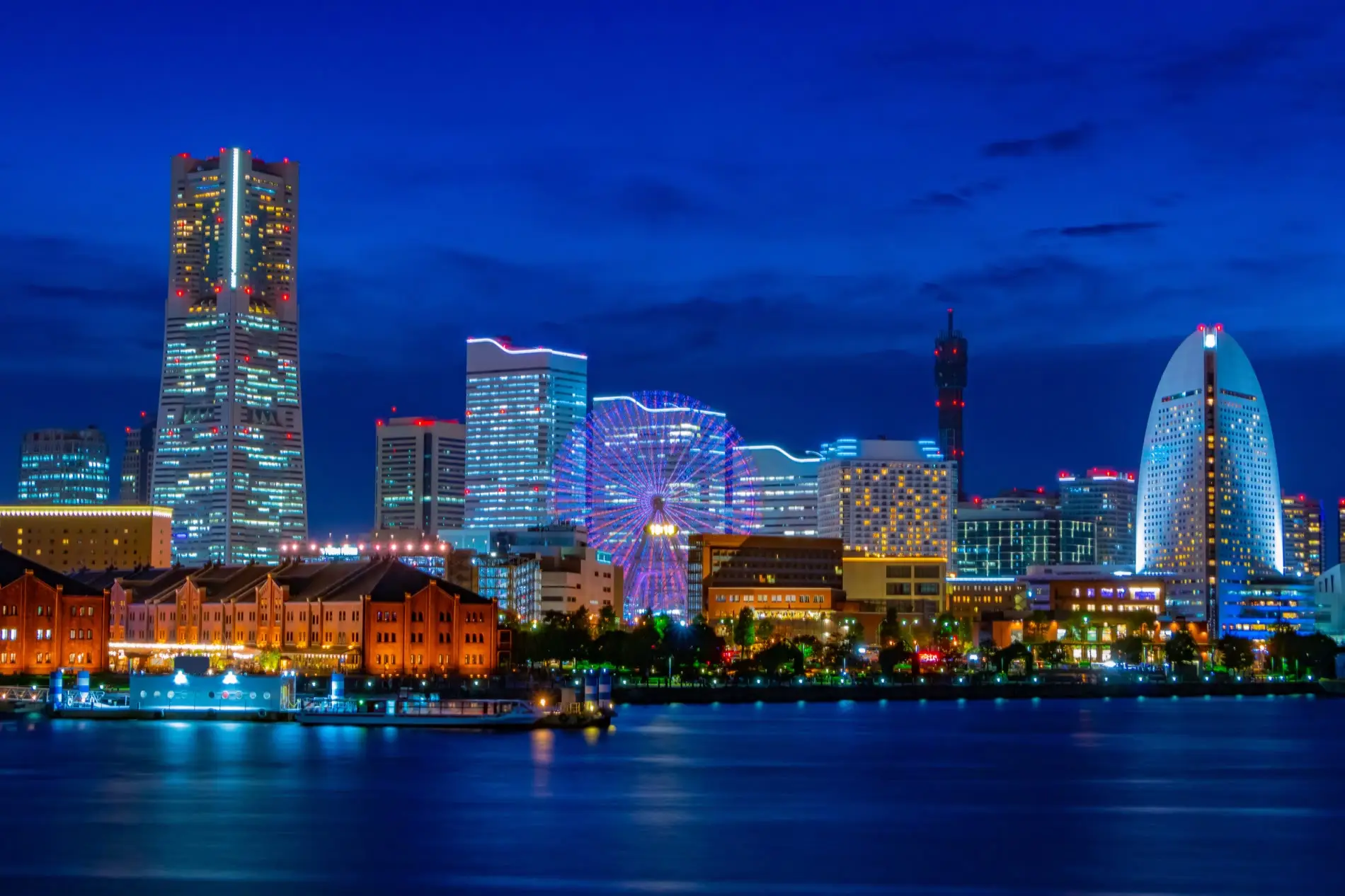
Tokyo can be comfortable when the route uses fewer districts and protects rest time. A good senior-friendly day may combine an exterior landmark, a short cultural stop, a comfortable lunch, Asakusa with a shortened walk and one viewpoint or shopping area.
Possible relaxed Tokyo route
-
Hotel pickup
-
Imperial Palace exterior or a scenic drive
-
Tokyo Tower or another accessible landmark
-
Relaxed lunch
-
Asakusa with a shortened route
-
Tokyo Skytree area or hotel return
Meiji Shrine is beautiful but requires a substantial approach walk. Harajuku and Shibuya can also be crowded. They should be included because the parents want them, not because every first-time itinerary automatically lists them.
Mount Fuji with elderly parents
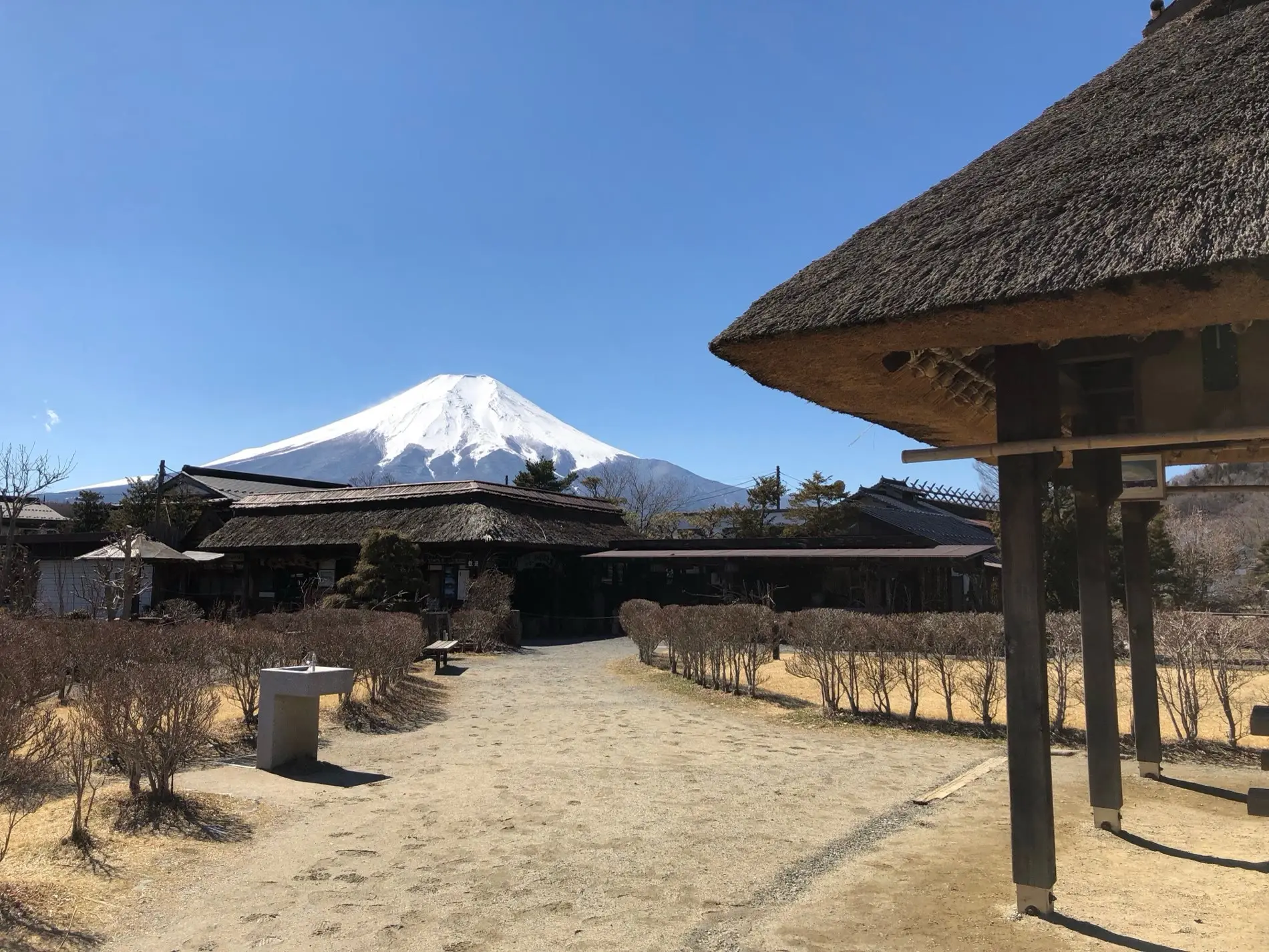
Mount Fuji is often easier by private vehicle because viewpoints and attractions are spread across the wider Kawaguchiko area. The route should use vehicle-accessible scenic stops, a comfortable lunch and fewer locations.
Possible senior-friendly Mount Fuji route
-
Early Tokyo hotel pickup
-
Short Oshino Hakkai visit
-
Lake Kawaguchiko viewpoint
-
Relaxed lunch
-
Oishi Park or another low-walking stop
-
Return to Tokyo before the group becomes exhausted
Chureito Pagoda should not be included automatically because the famous viewpoint requires a long climb. Mount Fuji visibility is weather-dependent and cannot be guaranteed.
Kyoto with elderly parents
Kyoto is one of the destinations where route selection matters most. The city’s attractions are spread out, and many involve slopes, stone paths and extensive grounds. A private vehicle reduces buses and transfers but does not make every temple step-free.
Possible senior-friendly Kyoto priorities
- Fushimi Inari lower shrine only
- Kinkaku-ji with the standard visitor route
- A scenic drive or exterior historic district
- Relaxed lunch
- Arashiyama riverside instead of a long bamboo-and-temple route
Kyoto-Nara is an approved selected combination, but it is not automatically recommended for elderly travelers. A single-city Kyoto or Nara day is usually more comfortable.
Nara with elderly parents
Nara can feel calmer than Kyoto, but the central park area is large. A senior-friendly visit should select one park route, one major historic site and a comfortable lunch rather than attempting every temple and shrine.
The deer are wild animals. Keep food secured, follow posted guidance and avoid encouraging an elderly traveler to hold crackers when balance or quick movement may be difficult.
Arrival and departure days
Airport days are physically demanding because they combine a long flight, immigration, luggage, unfamiliar surroundings and hotel check-in. Avoid scheduling a full sightseeing program immediately after arrival.
- Use an airport transfer when the family has several bags or late arrival.
- Keep the first evening simple: hotel check-in, nearby meal and rest.
- Confirm the vehicle can carry both passengers and all luggage.
- Allow more time for airport procedures than the fastest online estimate.
- Do not schedule a distant day tour on the morning after a very late arrival.
Sample seven-day senior-friendly Japan itinerary
| Day | Suggested plan | Why it works |
|---|---|---|
| 1 | Arrival, private airport transfer and rest | No pressure to sightsee after the flight. |
| 2 | Relaxed Tokyo private tour | Door-to-door introduction with three or four areas. |
| 3 | Free morning, nearby district and early return | Recovery day using trains or taxis only when convenient. |
| 4 | Mount Fuji private tour with a low-walking route | Scattered attractions are easier by vehicle. |
| 5 | Shinkansen to Kyoto and relaxed hotel check-in | Efficient intercity travel without a full tour. |
| 6 | Senior-friendly Kyoto private tour | Fewer transfers between distant districts. |
| 7 | Choose Nara, Osaka or departure according to flight time | One primary destination rather than an overloaded combination. |
Families who want full sightseeing on Day 7 should ideally depart on the following morning. If the flight is on Day 7, treat the day as a transfer and nearby activity day.
When is a private tour worth the cost?
A private tour is more likely to be worthwhile when the group includes several family members, the parents have limited stamina, attractions are spread out, the day involves countryside travel or the family values a coordinated hotel-to-hotel schedule.
It may be unnecessary for a short direct journey, a nearby neighborhood or an active couple staying beside a major station. A mixed transport plan protects the budget while reserving private transportation for the difficult days.
Wheelchairs, walkers and vehicle selection
Tell the tour operator whether the mobility device folds, its approximate dimensions and whether the traveler can transfer into a standard passenger seat. Passenger capacity may decrease when a wheelchair, walker and several suitcases are carried.
- Do not select a vehicle only by the advertised seat count.
- Confirm step height and boarding assistance expectations.
- Ask whether the wheelchair remains folded or whether a specialized accessible vehicle is required.
- Check attraction accessibility separately from vehicle access.
- Avoid promising that every location can be reached without steps.
Example Nomad Diaries prices
| Service | Official published rate | Approximate USD |
|---|---|---|
| Tokyo Day Tour | ¥100,000 | About US$620 |
| Mount Fuji Day Tour | ¥130,000 | About US$810 |
| Kyoto Day Tour | ¥140,000 | About US$870 |
| Nara Day Tour | ¥140,000 | About US$870 |
| Narita-Tokyo Transfer | ¥50,000 | About US$310 |
| Haneda-Tokyo Transfer | ¥45,000 | About US$280 |
Questions to ask before booking
-
How much can each parent comfortably walk, and are there stairs or slopes?
-
Can the chosen vehicle carry the mobility equipment and luggage?
-
Is the driver also a guide, or is guide service separate?
-
How many hours are included and what is the overtime policy?
-
Are tolls, parking, fuel and pickup charges included?
-
Where can the vehicle legally drop off at each attraction?
-
What will be removed first if traffic or fatigue slows the day?
-
Can the route be shortened without creating a difficult return journey?
-
What emergency contact and operations support are available?
-
Are child seats or additional family requirements also needed?
Common mistakes when traveling with elderly parents
-
Assuming age tells you the traveler’s mobility level.
-
Planning the trip around the fastest family member.
-
Booking six or seven major attractions every day.
-
Choosing a hotel only by price or view.
-
Ignoring station walking and underground passages.
-
Carrying too much luggage between cities.
-
Skipping meals to protect the itinerary.
-
Adding Chureito Pagoda or steep Kyoto streets without a mobility review.
-
Believing a private vehicle removes all walking.
-
Scheduling a full tour immediately after a long flight.
Plan a Japan trip around your parents’ comfort
Share your parents’ walking ability, mobility equipment, preferred destinations and hotel details with Nomad Diaries. The team will recommend realistic daily routes, the suitable vehicle and which days genuinely benefit from private transportation.
GET A SENIOR-FRIENDLY TOUR RECOMMENDATION Secondary action: Explore Japan Private Tours
Information to include in the inquiry
- Travel dates
- Hotel or pickup locations
- Number and ages of travelers
- Walking and stair limitations
- Wheelchair, walker or cane details
- Medical or dietary considerations relevant to the itinerary
- Must-see attractions
- Luggage quantity
- Preferred daily pace
About this guide Prices come from the Nomad Diaries published rate card (November 2025). US-dollar figures are approximate, based on the Bank of Japan reference rate of ¥161 per US$1 (August 2026). Health content here is general travel-planning information and does not replace advice from your own healthcare professional.