Nomad Diaries published day-tour rates currently begin at ¥100,000 (about US$624) for Tokyo and reach ¥150,000 (about US$936) for a Kyoto–Nara day tour. The final price depends on the confirmed route, date, duration, vehicle, pickup area, luggage and optional services.
At a glance
| Question | Typical arrangement |
|---|---|
| Tour duration | Usually around 10 hours; some Kansai routes may be quoted for 10–12 hours |
| Pickup | Hotel, airport or another agreed location that the vehicle can access legally |
| Best suited for | Families, seniors, children, private groups and travelers with luggage |
| Vehicle options | Toyota Alphard, Toyota Hiace Grand Cabin and Coaster, subject to availability |
| Driver | A private driver dedicated to the group for the confirmed service |
| Guide | Optional unless specifically included in the quotation |
| Itinerary | Planned in advance and reasonably adjustable within time and route limits |
| Primary service areas | Tokyo, Mount Fuji, Hakone, Yokohama, Nikko, Osaka, Kyoto, Nara and Kobe |
| Official price currency | Japanese yen; US-dollar values in this article are estimates |
What is a private car tour in Japan?
A private car tour is a pre-arranged sightseeing service in which one vehicle and driver are assigned to your group for a confirmed route and period. Instead of moving from station to station with the public, your group is collected from an agreed location, transported between selected attractions and returned to the agreed drop-off point.
The main value is not simply having a car. It is having the day coordinated as one continuous journey. Pickup time, destination order, travel time, rest periods, parking and the return journey are considered before the tour begins. This can reduce the mental load of repeatedly checking train platforms, transferring between lines, managing luggage and keeping a family together in crowded places.
The vehicle remains dedicated to your group during the booked service. At some attractions, the driver may wait in a legal parking area or return to an agreed pickup point rather than stop directly beside the entrance. Japan has strict road, stopping and parking rules, so door-to-door convenience must still operate within safe and permitted access points.
A private tour is different from taking individual taxis
A taxi is usually hired for one journey at a time. A private day tour is planned as a complete route, with the same vehicle supporting several stops and the return to your hotel. This makes it more suitable for a full sightseeing day, especially when the attractions are spread across a city or located outside central train networks.
Is a private driver the same as a tour guide?
Direct answer Not necessarily. The driver is responsible for transportation, timing, safe vehicle operation and agreed pickup arrangements. A guide focuses on interpretation, destination explanations, cultural context and helping guests during the sightseeing experience. A guide is only included when the quotation clearly says so.
Some drivers can communicate in English or another language and may provide practical coordination. That does not automatically mean the service includes detailed guided commentary or accompaniment inside every attraction. Travelers who want deeper historical explanations, translation support or assistance throughout the sites should request a guide before confirming the booking.
Who should consider a private car tour?
Japan has an excellent public-transport system, and many travelers can complete an entire trip by train. A private vehicle becomes most valuable when comfort, group coordination, mobility, luggage or a complex route matters more than choosing the lowest transport cost.
Families traveling with young children
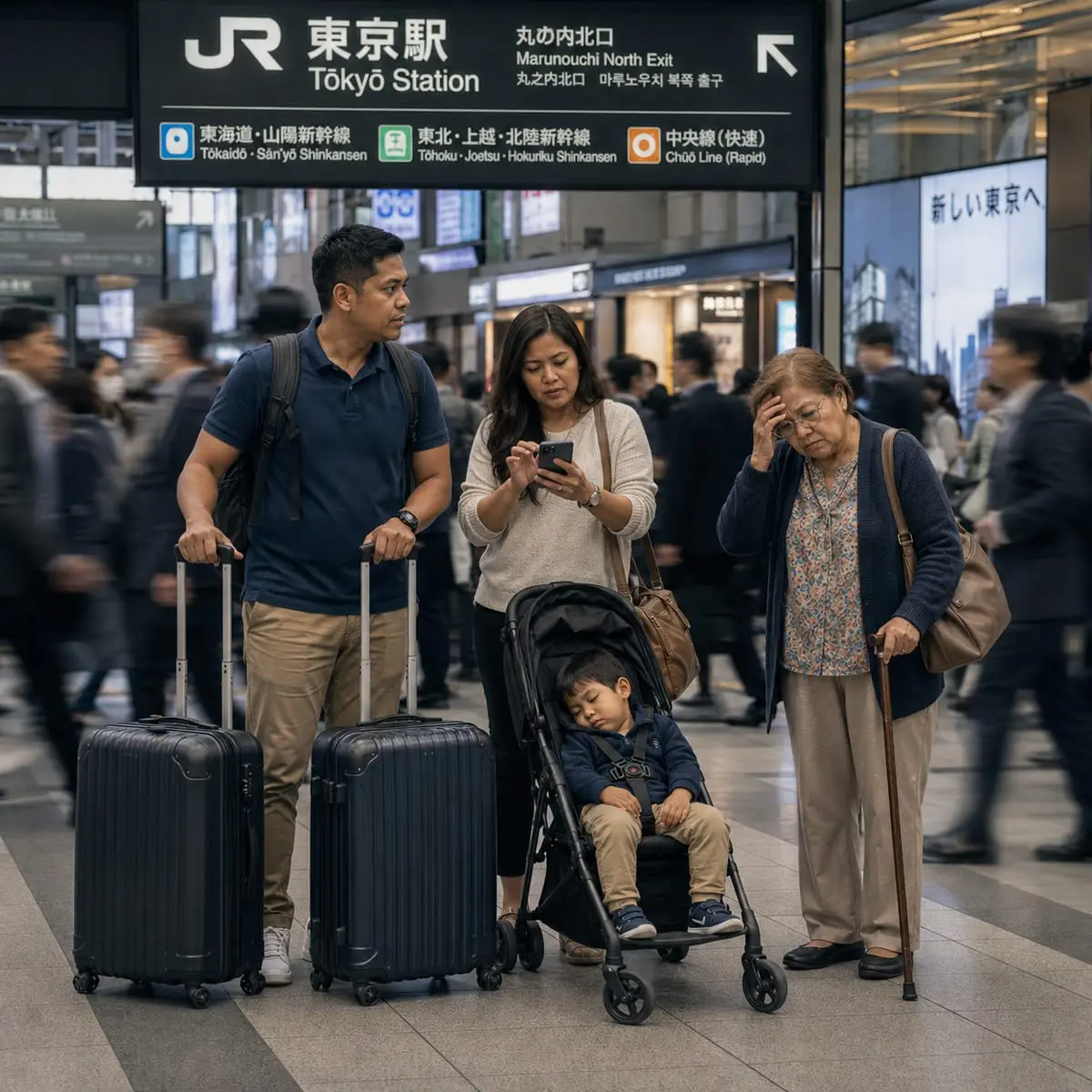
Parents often carry more than they expect: strollers, snacks, coats, shopping bags, diaper bags and small suitcases. A private vehicle creates one place where the family can regroup between attractions. Children can rest during longer drives, and the day can include reasonable meal and restroom breaks without the pressure of catching the next connection.
Child seats or special seating arrangements should always be requested in advance. Availability, child age, vehicle compatibility and any additional charge must be confirmed in writing before the tour.
Travelers with elderly parents
A private car can reduce the amount of walking between hotel entrances, stations, platforms and bus stops. It also provides a temperature-controlled place to rest, which can be especially helpful during Japan’s summer heat or colder winter days. The itinerary can be designed around fewer stops, easier entrances and a more relaxed meal schedule.
A vehicle cannot remove all walking. Temples, gardens, shrines and viewpoints may still have stairs, slopes, gravel or long paths. Tell the tour team how far each traveler can comfortably walk, whether stairs are difficult and whether a wheelchair, cane or regular rest breaks are needed.
Larger families and private groups
When six, seven, eight or nine people travel together, public transportation is not only a question of ticket cost. The group must also remain together through ticket gates, find space on busy trains, handle luggage and agree on meeting points. A properly sized private van can simplify coordination and preserve the privacy of the group.
Travelers carrying large luggage
Vehicle capacity is determined by both people and baggage. A vehicle that can seat a certain number of passengers may not safely carry the same number together with large suitcases. Always report the number and approximate size of bags. Airport transfers may require a larger vehicle or fewer passengers than a luggage-free day tour.
First-time visitors and time-conscious travelers
First-time visitors often underestimate the time required to navigate a large station, find the correct exit and reach the attraction after arriving. Private transportation can make the day easier to understand because the route is reviewed in advance. It can also help travelers use limited vacation time more intentionally, although traffic and distance still place real limits on the schedule.
When a private car may not be necessary Solo travelers, couples with light luggage, visitors moving between major stations and guests comfortable with trains may find public transportation faster and more economical. A private vehicle is a comfort-and-coordination choice, not a requirement for every Japan trip.
How does a private car tour in Japan work?
A well-organized private tour starts before the vehicle arrives. The booking team needs enough information to recommend the route, vehicle and realistic number of stops.
Step 1: Send the essential trip details
- Tour date and preferred pickup time
- Hotel name, complete address or pickup area
- Number of adults, children and senior travelers
- Children’s ages when a child seat may be required
- Preferred destinations and must-see attractions
- Number and approximate size of suitcases
- Wheelchair, stroller or mobility requirements
- Preferred language and whether a guide is needed
- Email address and WhatsApp or Viber contact
Step 2: The route is reviewed
The operations team checks whether the requested attractions fit the available hours. The review should consider driving time, likely traffic, attraction hours, parking, walking time, meal breaks, seasonal crowds and the return journey. A useful itinerary does not merely list places; it explains the trade-offs.
Step 3: Receive the itinerary recommendation and quotation
The written quotation should identify the destination, service date, duration, vehicle, price, pickup conditions and major inclusions and exclusions. It should also explain overtime, optional guide services, child seats, accessibility requests and any payment or cancellation conditions that apply.
Step 4: Confirm the reservation
Nomad Diaries generally requires a 50% downpayment for private car tours. Airport transfers generally require full payment. The remaining balance and payment deadline should appear in the quotation or booking confirmation. Peak dates, urgent requests or special arrangements may follow different payment conditions when disclosed before confirmation.
Step 5: Receive the final pickup instructions
Before the service, guests should receive or confirm the pickup time, pickup location, assigned contact details and important reminders. Driver or vehicle details may be shared closer to the tour date, depending on the operating arrangement.
Step 6: Begin the tour with active coordination
On the day, the driver follows the confirmed route while the operations team remains available for practical coordination. Adjustments can be considered when weather, traffic, guest energy levels or attraction conditions change, provided the revised plan remains realistic and within the agreed service.
How much does a private car tour in Japan cost?
Nomad Diaries publishes its tour prices in Japanese yen. The US-dollar amounts below are provided only to help international travelers understand the approximate cost. The yen amount remains the official reference.
Currency reference used in this guide USD estimates use ¥160.21 per US$1, based on the Bank of Japan daily foreign-exchange reference for July 31, 2026. Exchange rates change, and the amount shown by a card issuer or payment provider may be different. Last currency update: July 31, 2026.
Kanto private day tours
| Private service | Published rate | Approx. USD |
|---|---|---|
| Tokyo Day Tour | ¥100,000 | US$624 |
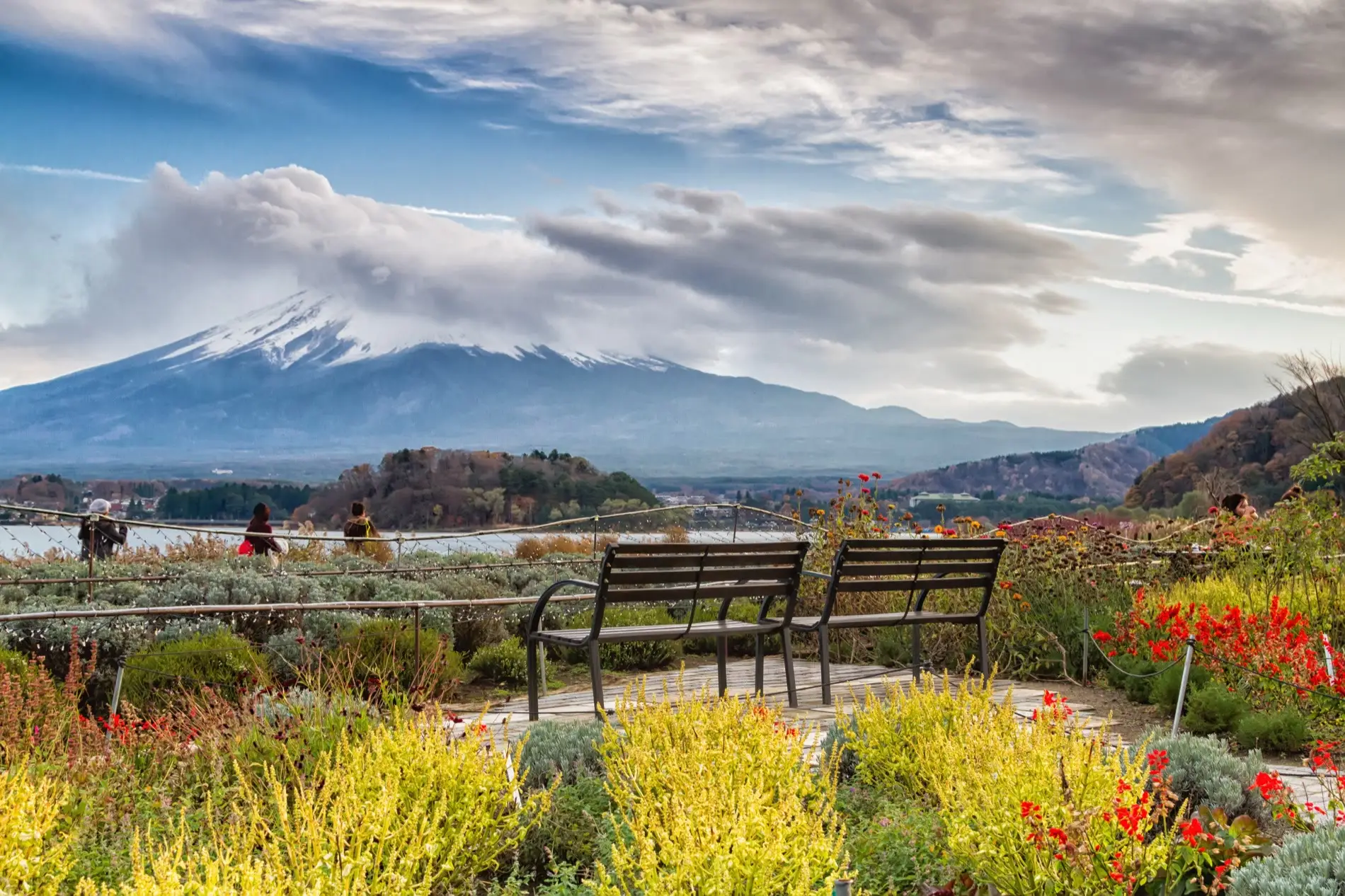
| Mount Fuji Day Tour | ¥130,000 | US$811 |
| Hakone Day Tour | ¥130,000 | US$811 |
| Mount Fuji–Hakone Day Tour | ¥130,000 | US$811 |
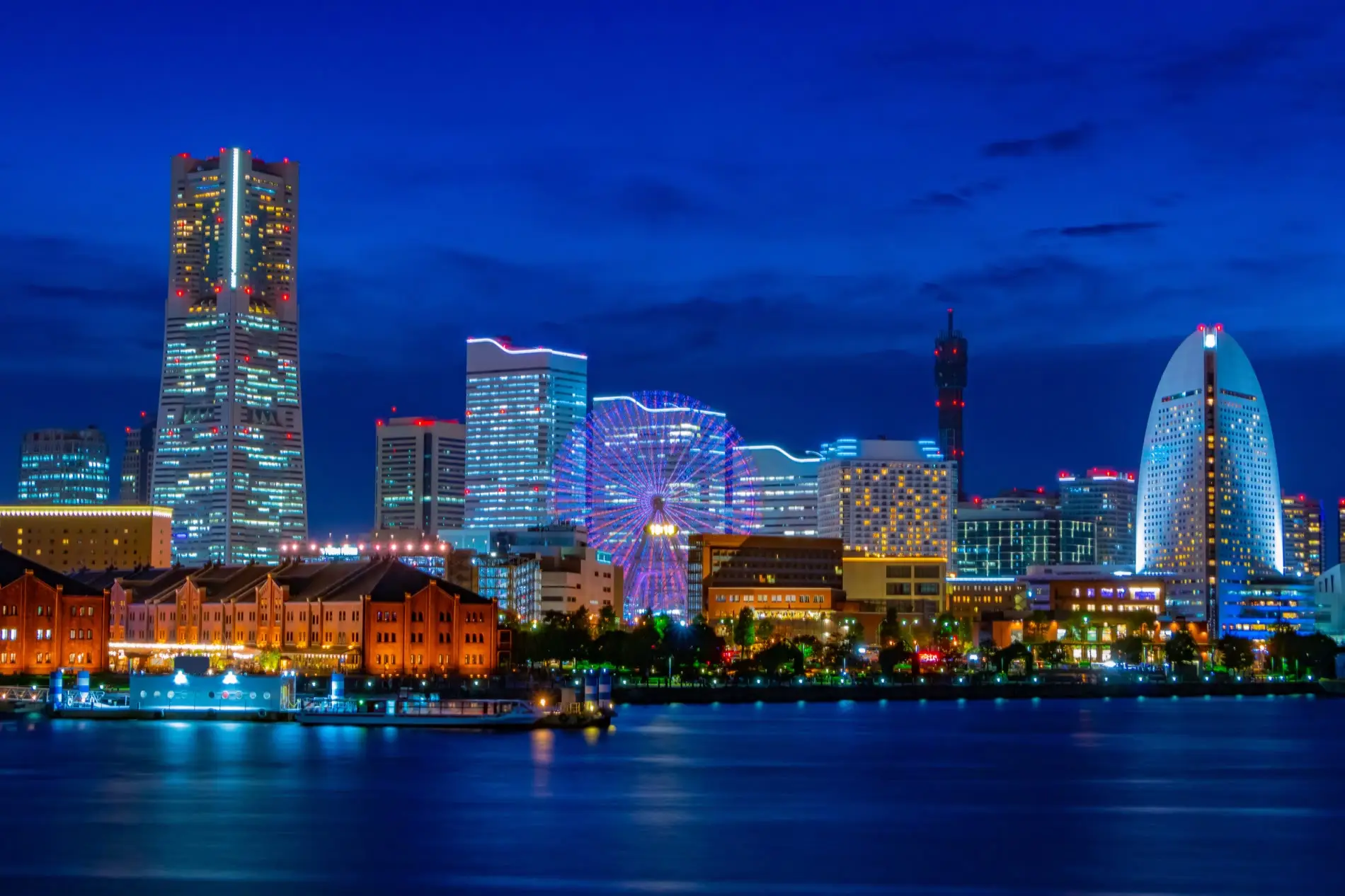
| Yokohama Day Tour | ¥110,000 | US$687 |
| Nikko Day Tour | ¥140,000 | US$874 |
Kansai private day tours
| Private service | Published rate | Approx. USD |
|---|---|---|
| Osaka Day Tour | ¥140,000 | US$874 |
| Kyoto Day Tour | ¥140,000 | US$874 |
| Nara Day Tour | ¥140,000 | US$874 |
| Kyoto–Nara Day Tour | ¥150,000 | US$936 |
| Kobe Day Tour | ¥140,000 | US$874 |
Airport and attraction transfers
| Private transfer | Published rate | Approx. USD |
|---|---|---|
| Narita Airport–Tokyo, one way | ¥50,000 | US$312 |
| Haneda Airport–Tokyo, one way | ¥45,000 | US$281 |
| Kansai Airport–Osaka, one way | ¥50,000 | US$312 |
| Kansai Airport–Kyoto, one way | ¥80,000 | US$499 |
| Disneyland or DisneySea, round trip | ¥65,000 | US$406 |
| Universal Studios Japan transportation | ¥65,000 | US$406 |
| Legoland whole-day transportation | ¥65,000 | US$406 |
| Sanrio Puroland transportation | ¥65,000 | US$406 |
What affects the final price?
- Destination and total driving distance
- Pickup and drop-off locations
- Booked duration and possible overtime
- Vehicle size and availability
- Number of passengers and luggage volume
- Peak dates, holidays and urgent bookings
- Guide, photographer, wheelchair or child-seat requests
- Route changes or pickup outside the standard service area
Important payment and conversion notice Prices may be presented in yen and estimated in US dollars, while the final invoice or card-payment link may be processed in Philippine pesos depending on the selected payment channel. The exact payable currency and amount should be shown before payment. Banks and card issuers may apply their own exchange rate or foreign-transaction fee.
What is normally included in a private car tour?
The written quotation is always the controlling document. A standard private-tour arrangement is generally built around a dedicated vehicle, professional driver, agreed pickup and drop-off, route planning and operational coordination. Items such as tolls and parking should never be assumed unless the quotation states whether they are included.
Commonly included or arranged
- Private vehicle for the confirmed group
- Professional driver for the booked service
- Pickup and drop-off at the agreed locations
- Air-conditioned transportation
- Route review and practical itinerary planning
- Fuel for the confirmed route when stated in the quotation
- Operations-team monitoring and coordination
- Reasonable itinerary flexibility within the booked duration
Items that may be separate
- Attraction and activity tickets
- Meals, drinks and personal expenses
- Hotel accommodation
- Professional guide services
- Photographer or other specialist support
- Child seat, wheelchair or special equipment
- Overtime beyond the confirmed hours
- Pickup or drop-off outside the quoted service area
- Additional parking, tolls or route charges when excluded from the package
Best practice before paying Ask for one written summary showing the vehicle, duration, pickup location, inclusions, exclusions, overtime terms, payment schedule and cancellation conditions. Compare complete quotations—not only the headline price.
Which vehicle is right for your group?
The correct vehicle depends on more than passenger count. Comfort expectations, luggage, child seats, wheelchairs and the length of the drive all matter. Final capacity must be confirmed for the actual vehicle assigned.
| Vehicle | Best suited for | Practical capacity guidance |
|---|---|---|
| Toyota Alphard | Couples, executives and smaller families seeking a more refined cabin | Up to 6 passengers, subject to seat layout and luggage |
| Toyota Hiace Grand Cabin | Medium-sized and multigenerational families | Up to 9 passengers when luggage and seating configuration permit |
| Toyota Coaster | Larger private, corporate or extended-family groups | Approximately 18–24 passengers; availability may be limited |
Toyota Alphard
The Alphard is well suited to a smaller group that values a quiet cabin, comfortable seating and a premium feel. It may be appropriate for couples, executives, grandparents traveling with a small family or guests who prefer more personal space. Large suitcases can reduce practical passenger capacity, especially for airport transfers.
Toyota Hiace Grand Cabin
The Hiace is the most versatile option for many family groups. It can keep a medium-sized party together and provides more flexibility for children, seniors and day bags. “Up to nine passengers” should never be interpreted as nine passengers plus unlimited luggage. Send the baggage details before the vehicle is confirmed.
Toyota Coaster
A Coaster is intended for larger private groups, corporate travelers or extended families that would otherwise need more than one smaller vehicle. Availability can be more limited, and access to narrow streets or certain pickup areas may be different from a van. The route and parking plan should therefore be reviewed carefully.
Questions to answer before choosing a vehicle
- How many adults, children and seniors are traveling?
- How many large, medium and cabin-size bags are there?
- Will a wheelchair or stroller remain inside the vehicle?
- Does anyone need easier entry or a particular seat position?
- Is this a luggage-free day tour or an airport/hotel transfer?
- How long will the group spend in the vehicle?
What can you realistically visit during a 10-hour tour?
A 10-hour booking does not equal 10 hours inside attractions. The booked time includes pickup, driving, traffic, parking, walking from the vehicle, meals, restroom breaks and the return to the hotel. Long-distance destinations use a larger portion of the day on the road.
| Route type | Realistic planning range | Main constraint |
|---|---|---|
| Tokyo city tour | About 4–6 major stops | City traffic, parking and walking between nearby districts |
| Mount Fuji or Hakone | About 4–5 stops | Long travel from Tokyo, weather and return traffic |
| Nikko | Fewer well-chosen stops | Distance, mountain roads and seasonal congestion |
| Kyoto | About 4–5 stops | Temple hours, parking and crowds |
| Kyoto–Nara combination | A selective itinerary | Intercity driving and time needed at major sites |
Why fewer stops often create a better experience
A shorter list gives travelers time to enjoy each place rather than seeing Japan through the vehicle window. It also allows room for lunch, photos, shopping, weather changes and the needs of children or older family members. A private tour should feel controlled and comfortable—not like a race against the clock.
Practical rule Choose one or two priority attractions that must not be missed. Treat the remaining stops as secondary. This gives the driver and operations team a clear basis for adjusting the day when traffic or guest energy levels change.
Can the itinerary be customized?
Direct answer Yes. A private-tour itinerary can usually be customized before the service and reasonably adjusted during the day. Changes remain subject to distance, traffic, parking, attraction hours, weather and the agreed tour duration.
Before the tour
Guests can identify preferred attractions, shopping priorities, food requirements, walking limits and the pace they want. The planning team then recommends a practical order and may suggest removing places that would make the route rushed or unreliable.
During the tour
A stop may be shortened, skipped or replaced when the group is tired, the weather changes or an attraction becomes impractical. A family may also choose to spend longer at one place and remove a later stop. The driver should not be pressured to make unsafe stops, park illegally or exceed the agreed hours without authorization.
Changes that may require a new quotation
- Changing to a different region or distant destination
- Adding an airport transfer or hotel change to a sightseeing day
- Extending beyond the booked duration
- Adding passengers or luggage that requires a different vehicle
- Requesting a guide, child seat, wheelchair or other service after confirmation
- Changing pickup or drop-off outside the original service area
Private car vs train vs taxi in Japan
Nomad Diaries generally plans one primary destination per day so travelers have enough time to experience the area. Selected combination routes - specifically Kyoto-Nara and Mount Fuji-Hakone - are available when the itinerary can be completed realistically within the booked duration. Osaka-Kyoto-Nara is not offered as a standard one-day route.
No single transport option is best for every traveler. The right choice depends on group size, route, luggage, mobility and the value placed on privacy and convenience.
| Factor | Private car | Train | Taxi |
|---|---|---|---|
| Hotel pickup | Usually yes | No | Yes |
| Dedicated to your group | Yes | No | Yes for each ride |
| Full-day multi-stop route | Designed for it | Possible with planning | Possible but often costly |
| Luggage convenience | High when vehicle is correctly sized | Can be difficult during transfers | Good for shorter rides |
| Flexibility | High within the booked route and hours | Limited by lines and schedules | High per journey |
| Countryside access | Often practical | Varies by destination | Can be limited or expensive |
| Best value for | Families, seniors and private groups | Solo travelers and light travelers | Short, direct urban trips |
When trains are usually the better choice
- A solo traveler or couple is moving between major city stations
- The group has little luggage and is comfortable with transfers
- The route follows a direct Shinkansen or urban rail connection
- Heavy road congestion would make driving less predictable
- The traveler prioritizes the lowest transportation cost
When a private vehicle is usually more practical
- The group includes young children or senior parents
- Several people need to stay together throughout the day
- The route contains multiple countryside or suburban attractions
- The group has strollers, shopping bags or mobility equipment
- Privacy, comfort and door-to-door coordination are priorities
- The travelers want a realistic itinerary reviewed before the day
Sample private-tour itineraries
The schedules below are examples, not guarantees. Actual timing depends on hotel location, traffic, weather, opening hours, parking, walking speed and seasonal conditions.
Sample Tokyo itinerary for first-time visitors
| Approx. time | Stop | Planning note |
|---|---|---|
| 8:00 AM | Hotel pickup | Confirm the exact hotel entrance or accessible meeting point |
| 8:30 AM | Meiji Shrine | A calm morning stop with some walking |
| 10:15 AM | Shibuya | Crossing, viewpoint or short neighborhood visit |
| 12:00 PM | Lunch | Allow time rather than eating while rushing |
| 1:30 PM | Asakusa and Senso-ji | Popular area; parking and crowds affect timing |
| 3:30 PM | Tokyo Skytree area or another priority stop | Choose according to tickets and group interest |
| 5:00 PM | Return toward the hotel | Timing depends on evening traffic |
Sample Mount Fuji itinerary from Tokyo
| Approx. time | Stop | Planning note |
|---|---|---|
| 7:30 AM | Tokyo hotel pickup | An early start improves the usable sightseeing window |
| 10:00 AM | Oshino Hakkai | Traditional village setting; conditions vary by season |
| 11:30 AM | Lake Kawaguchiko | Main lake and Mount Fuji viewing area |
| 12:30 PM | Lunch | Allow flexibility for crowds |
| 2:00 PM | Oishi Park or seasonal attraction | Select according to flowers, weather and visibility |
| 3:30 PM | Chureito Pagoda or alternative viewpoint | Many stairs; not ideal for every senior or mobility-limited guest |
| 4:30 PM | Return to Tokyo | Evening arrival depends heavily on traffic |
Sample Kyoto itinerary
| Approx. time | Stop | Planning note |
|---|---|---|
| 8:00 AM | Hotel pickup | Start early during peak seasons |
| 8:30 AM | Fushimi Inari | The full trail is not required; choose a comfortable turnaround point |
| 10:30 AM | Kiyomizu-dera and nearby streets | Includes slopes and walking |
| 12:30 PM | Lunch | Reserve enough time for the group to rest |
| 2:00 PM | Kinkaku-ji | Compact visit but often crowded |
| 3:45 PM | Arashiyama | Select the bamboo area, bridge or another priority |
| 5:30 PM | Hotel drop-off | Subject to traffic and hotel location |
For families with seniors Use a relaxed version of each itinerary: fewer attractions, easier entrances, a seated lunch and more time in the vehicle. The best route is the one the whole family can enjoy without forcing anyone to keep up.
How to choose a reliable private-tour company in Japan
Price matters, but reliability is determined by what happens before and during the tour. A professional provider should help the traveler understand the route, limits and responsibilities rather than simply agree to every requested stop.
-
Look for a clear business identity, working contact details and a written quotation.
-
Ask who will operate the vehicle and what vehicle category is being confirmed.
-
Check whether the driver and guide roles are explained separately.
-
Confirm the service hours, pickup area and overtime conditions.
-
Ask whether tolls, parking, fuel, tickets and meals are included or separate.
-
Read the payment, cancellation and rescheduling conditions before paying.
-
Review real customer feedback and service photos, not only stock images.
-
Check how the company handles weather, traffic, driver changes and urgent concerns.
-
Expect realistic itinerary advice. A provider that promises everything may be ignoring travel time.
-
Disclose children, seniors, luggage and mobility needs so the correct arrangement can be made.
Red flags to avoid
- No written explanation of what the price covers
- Unclear vehicle or operating-company information
- Pressure to pay without a quotation or booking record
- Promises of an unrealistic number of distant attractions
- No stated policy for overtime, cancellations or route changes
- Ignoring luggage, child-seat or mobility questions
Common mistakes when booking a private car tour
Choosing a vehicle based only on passenger count
Seats do not describe luggage space. Send the complete baggage information.
Planning too many attractions
Travel time, parking, meals and walking must fit inside the booked hours.
Assuming the driver is automatically a guide
Request guide services explicitly when commentary or site accompaniment is important.
Comparing only the headline price
Compare duration, vehicle, pickup terms, tolls, parking, overtime and support.
Providing an incomplete hotel name
Large hotel groups and similar property names can cause pickup confusion. Send the full address.
Not disclosing mobility needs
The route and vehicle cannot be planned properly without honest walking and accessibility information.
Waiting until the last minute
Peak seasons and larger vehicles can sell out. Urgent bookings may have fewer choices.
Treating flexibility as unlimited
A private itinerary is adjustable, but distance, safety, parking and time still apply.
Information to include in your inquiry
- Travel date and preferred destination
- Hotel or pickup area
- Number of adults, children and seniors
- Number and size of suitcases
- Preferred attractions and must-see priorities
- Walking, wheelchair, stroller or child-seat requirements
- Email and WhatsApp or Viber number