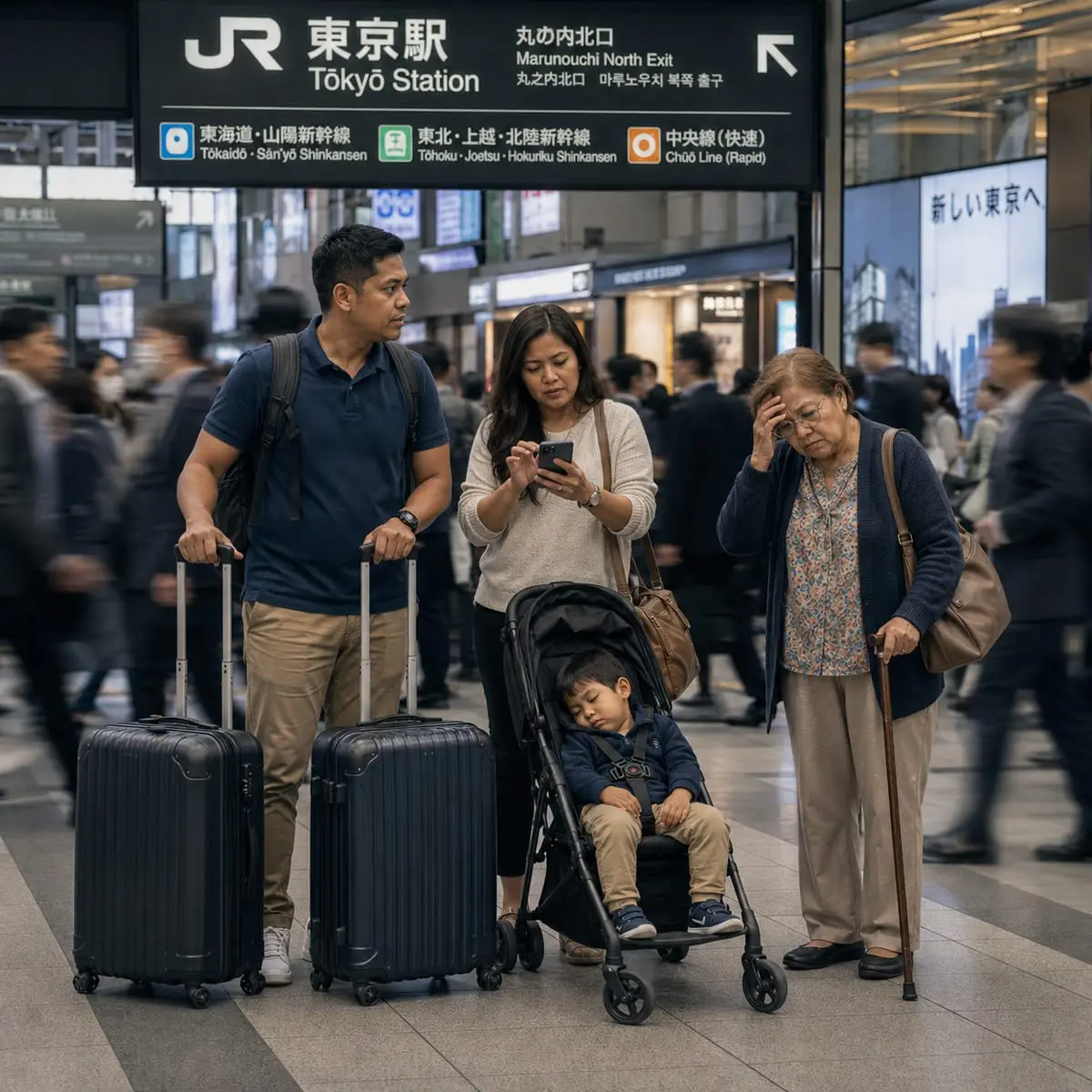
Trying to add a complete Tokyo, Fuji, Kyoto, Osaka and Nara experience within seven days will create an exhausting trip.
Important timing assumption This sample is designed as seven days and six nights. Day 7 is partly a departure or transfer day. Families who want a full Osaka or Nara sightseeing day should ideally add an eighth day or depart on the morning after Day 7.
| Day | Main plan | Recommended transport |
|---|---|---|
| 1 | Arrival in Tokyo and rest | Private airport transfer or train, based on luggage and arrival time |
| 2 | Tokyo highlights | Private car for a cross-city family route |
| 3 | Flexible Tokyo day | Train, short taxi or one pre-booked attraction |
| 4 | Mount Fuji day trip | Private car for several stops |
| 5 | Shinkansen to Kyoto or Osaka | Train; no full tour after transfer |
| 6 | Kyoto private tour | Private car across selected Kyoto districts |
| 7 | Choose Osaka, Nara or departure activity | One primary destination according to flight time |
Is seven days enough for Tokyo, Mount Fuji, Kyoto and Osaka?
Seven days is enough for an introduction, not a complete experience of every city. The itinerary works when the family accepts that some destinations will be highlights rather than deep explorations and when only two hotel bases are used.
The trip becomes unrealistic when Nara, Universal Studios Japan, multiple Tokyo shopping days, a complete Hakone experience and several Kyoto temple days are all added without extending the stay.
The best structure: two hotel bases
Changing hotels consumes more time than the train ride alone. The family must pack, check out, manage luggage, reach the station, find the platform, travel, reach the new hotel and check in. Two bases keep the trip simpler.
| Base | Suggested nights | Main experiences |
|---|---|---|
| Tokyo | Four nights | Arrival, Tokyo highlights, flexible Tokyo day and Mount Fuji day trip |
| Kyoto or Osaka | Two nights | Kyoto private tour and one final Kansai choice |
Choose Kyoto as the second base when traditional culture and early Kyoto sightseeing are the priority. Choose Osaka when food, evening activity, shopping and airport access are more important.
Day 1 - Arrival in Tokyo
Do not treat the arrival day as a full sightseeing day. Immigration, baggage collection, customs, airport transfer and hotel check-in may take longer than expected, especially with children or elderly parents.
Recommended plan
-
Arrive at Narita or Haneda
-
Transfer directly to the Tokyo hotel
-
Check in and organize luggage
-
Eat near the hotel
-
Buy simple supplies and rest early
When a private airport transfer is worth it
- Several large suitcases
- A stroller or wheelchair
- Late arrival
- Young children
- Senior parents
- Group of six to nine
- Hotel that requires several train changes
A late arrival should be followed by a slower Day 2 start. The itinerary should adapt to the flight rather than forcing the family to follow a fixed template.
Day 2 - Tokyo highlights by private car
Use the first full day for a broad Tokyo introduction. A private vehicle is most useful when the family wants traditional and modern districts across the city, hotel pickup and a pace that can be adjusted for children or grandparents.
Possible route
-
Hotel pickup
-
Meiji Shrine or another cultural stop
-
Shibuya
-
Tokyo Tower or an exterior landmark
-
Relaxed lunch
-
Asakusa
-
Tokyo Skytree area or agreed drop-off
Four to six areas are enough. A ticketed attraction such as TeamLab or an observation deck may require removing one or two shorter stops.
Day 3 - Flexible Tokyo day
A free or semi-structured day allows the family to recover, shop and experience trains without the pressure of a full cross-city schedule. Choose one major area or one pre-booked attraction.
| Family interest | Possible Day 3 plan |
|---|---|
| Children and interactive attractions | Odaiba, TeamLab or another reserved indoor experience |
| Shopping | Shibuya, Ginza, Akihabara or one preferred district |
| Disney | Tokyo Disneyland or DisneySea as the entire day |
| Food and neighborhoods | One district with a relaxed meal and nearby activity |
| Senior parents | Late start, nearby attraction, café and early return |
Do not combine a theme park with a standard Tokyo private tour. A theme park should be treated as its own full-day experience.
Day 4 - Mount Fuji day trip
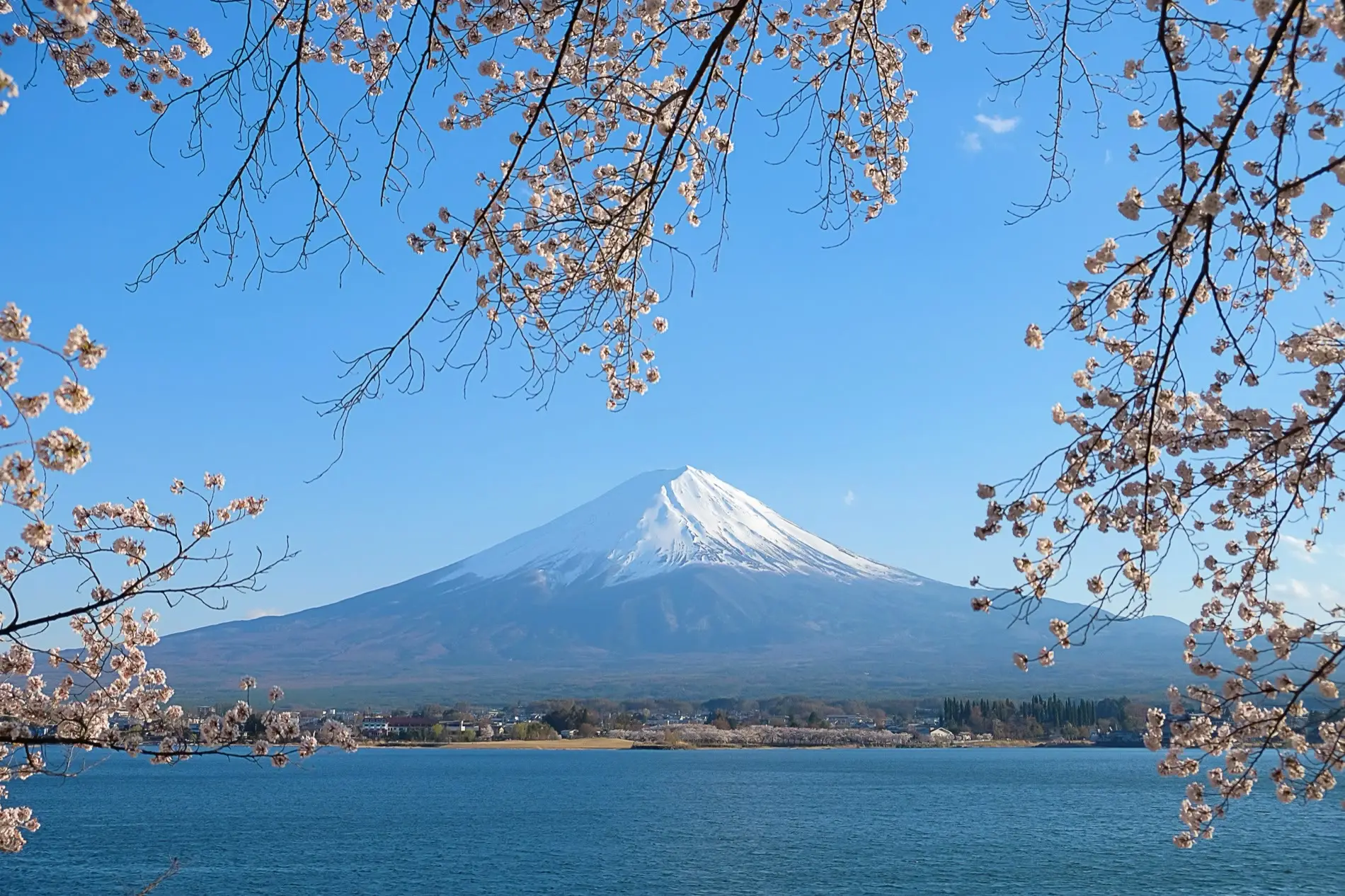
Mount Fuji is the strongest private-car day in this itinerary because attractions around Lake Kawaguchiko are spread out. Leave Tokyo early and plan three to five realistic stops.
Possible family-friendly route
-
Early Tokyo hotel pickup
-
Oshino Hakkai
-
Lake Kawaguchiko viewpoint
-
Oishi Park or seasonal location
-
Relaxed lunch
-
One final family-selected stop
-
Return to Tokyo
Mount Fuji-Hakone is an approved selected combination, but it is a faster highlights day. Families with toddlers, senior parents or a preference for relaxed photography should choose Mount Fuji alone.
Visibility is weather-dependent and cannot be guaranteed. The itinerary should remain enjoyable through villages, lakes, parks, cafés or shopping even when the mountain is hidden.
Day 5 - Shinkansen to Kyoto or Osaka
Use the Shinkansen for the long-distance journey. A private car is generally not the best tool for traveling between Tokyo and Kansai because the train is faster and allows the family to avoid a long road day.
A practical transfer day
-
Breakfast and hotel checkout
-
Forward large luggage when appropriate
-
Travel to the station with a small overnight bag
-
Shinkansen to Kyoto or Shin-Osaka
-
Hotel check-in or luggage drop
-
Nearby dinner and a short walk only
Do not schedule a four-city sightseeing route after arrival. The transfer day already includes packing, station walking and hotel logistics. A calm evening protects the Kyoto tour on Day 6.
Day 6 - Kyoto private tour
Kyoto attractions are spread across the city. A private vehicle reduces buses and train transfers, but the family must still walk inside shrine, temple and historic-street areas.
Possible first-time route
-
Early hotel pickup
-
Fushimi Inari lower area
-
Kiyomizu-dera and Higashiyama
-
Lunch
-
Kinkaku-ji
-
Arashiyama or a shorter final area
-
Hotel drop-off
For toddlers or elderly parents, reduce the route to three or four major areas. Kyoto-Nara is an approved selected combination, but choosing it means sacrificing several major Kyoto attractions.
Day 7 - Choose Osaka, Nara or departure
The final day depends on the flight. A late flight may allow a half-day activity. A full Osaka or Nara tour requires enough time for sightseeing, return travel, luggage collection and airport check-in.
Option A: Osaka highlights
Choose Osaka when the family wants Dotonbori, food, shopping or one city landmark. A half-day should focus on one compact area rather than attempting Osaka Castle, Umeda and Namba.
Option B: Nara
Choose Nara when the family wants deer and historic parkland. A full Nara day is better than a rushed visit before an early flight. Keep airport timing conservative.
Option C: Departure only
For a morning or early-afternoon flight, treat Day 7 as a transfer day. Eat near the hotel, collect luggage and travel to the airport without adding a distant attraction.
Need a full Osaka and Nara experience? Add at least one more night. An eight-day itinerary allows Day 7 for Osaka or Nara and Day 8 for departure.
Kyoto base or Osaka base?
| Choose Kyoto when | Choose Osaka when |
|---|---|
| Early temple visits are the priority. | Evening food and shopping are priorities. |
| The family wants a calmer cultural atmosphere. | The family prefers a lively city base. |
| The Kyoto private tour is the main Kansai experience. | Airport access and Osaka activities matter more. |
| The group dislikes commuting into Kyoto early. | The group wants more hotel and restaurant options. |
The hotel should also be selected for elevator access, luggage handling, nearby restaurants and private-vehicle pickup - not only for the city name.
How to adjust the itinerary for toddlers
- Use a private airport transfer.
- Keep Day 3 flexible and close to the hotel.
- Use a relaxed Mount Fuji route with fewer stops.
- Avoid the Mount Fuji-Hakone combination.
- Shorten Fushimi Inari and protect lunch on the Kyoto day.
- Treat Day 7 as Osaka or departure, not Osaka plus Nara.
- Confirm stroller and child-seat arrangements in advance.
How to adjust for elderly parents
- Use three or four major Tokyo areas instead of six.
- Choose low-walking Mount Fuji viewpoints.
- Forward large luggage before the Shinkansen day.
- Use a senior-friendly Kyoto route without long climbs.
- Choose one final Kansai city only.
- Add an eighth day when the family wants a slower pace.
Luggage strategy
Luggage is one of the main reasons a seven-day family itinerary becomes tiring. The family changes cities only once, but the Shinkansen day still needs planning.
- Use two hotel bases rather than changing accommodation repeatedly.
- Consider forwarding large suitcases from Tokyo to the Kansai hotel.
- Carry medication, documents and one night of essentials personally.
- Confirm whether the airport-transfer vehicle can carry every bag.
- Do not plan sightseeing with all luggage inside the vehicle unless the capacity is confirmed.
What should be booked in advance?
-
International flights and the hotel bases.
-
Shinkansen seats when the family wants specific timing and seating together.
-
Private Tokyo, Mount Fuji and Kyoto tour dates.
-
Airport transfer when luggage or arrival time makes it valuable.
-
Timed attractions, theme parks and observation decks.
-
Child seats, wheelchair arrangements and larger vehicles.
-
Restaurants only when the itinerary can protect the reservation time.
Example private-tour prices
| Service used in this itinerary | Published rate | Approximate USD |
|---|---|---|
| Tokyo Day Tour | ¥100,000 | About US$620 |
| Mount Fuji Day Tour | ¥130,000 | About US$810 |
| Kyoto Day Tour | ¥140,000 | About US$870 |
| Narita-Tokyo Transfer | ¥50,000 | About US$310 |
| Haneda-Tokyo Transfer | ¥45,000 | About US$280 |
| KIX-Osaka Transfer | ¥50,000 | About US$310 |
| KIX-Kyoto Transfer | ¥80,000 | About US$500 |
The table does not include flights, hotels, Shinkansen fares, attraction tickets or meals. The final quotation should confirm vehicle, duration, pickup area, inclusions, overtime and optional services.
Is a private car needed every day?
No. The private-car days in this itinerary are chosen because they connect several areas or scattered attractions. The Shinkansen is used for the long-distance transfer, and the flexible Tokyo day can use trains or taxis.
This hybrid structure protects the budget and prevents the family from paying for a vehicle when public transportation is clearly the stronger option.
What to remove when the trip feels too full
-
Remove the final Tokyo stop before shortening every attraction.
-
Choose Mount Fuji instead of the Mount Fuji-Hakone combination.
-
Treat Day 5 as a transfer day with no major sightseeing.
-
Choose Kyoto alone rather than Kyoto-Nara when Kyoto is the priority.
-
Use Day 7 for departure instead of forcing Osaka or Nara.
-
Add an eighth day instead of compressing another city into the schedule.
Common seven-day itinerary mistakes
-
Using three or four hotel bases.
-
Scheduling a full tour on arrival day.
-
Adding a theme park to a standard Tokyo sightseeing day.
-
Trying to visit Mount Fuji, Hakone and Gotemba in depth.
-
Booking a major Kyoto tour immediately after the Shinkansen transfer.
-
Trying to visit Osaka, Kyoto and Nara in one day.
-
Ignoring luggage forwarding and station walking.
-
Planning every day at maximum intensity.
-
Using private cars for routes where trains are clearly faster.
-
Failing to leave enough time for the departure airport.
Turn the seven-day outline into a route built for your family
Share your flights, hotel ideas, children’s ages, senior travelers and must-see destinations with Nomad Diaries. The team will identify which days need private transportation, which are better by train and where the itinerary should be simplified.
GET A SEVEN-DAY ITINERARY RECOMMENDATION Secondary action: Explore Japan Private Tours
Information to include in the inquiry
- Arrival and departure flights
- Preferred hotel bases
- Number and ages of travelers
- Children and senior travelers
- Mobility or stroller needs
- Must-see destinations
- Theme-park or timed-ticket plans
- Luggage quantity
- Preferred pace and budget priorities
About this guide Prices come from the Nomad Diaries published rate card (November 2025). US-dollar figures are approximate, based on the Bank of Japan reference rate of ¥161 per US$1 (August 2026). Rail fares, schedules, attraction hours and ticket rules should be checked for your actual travel dates before booking.