More stops do not automatically create a better tour.
| Tour type | Typical realistic range |
|---|---|
| Compact active city day | Four to six major areas |
| Family city day | Three to five major areas |
| Senior-friendly city day | Three to four major areas |
| Mount Fuji, Hakone or Nikko day trip | Three to five main stops |
| Photography or shopping-heavy day | Two to four areas |
| Selected combination route | Fewer highlights in each area |
A ten-hour tour does not mean ten hours inside attractions
The booked duration usually includes hotel pickup, travel between locations, parking, walking from legal drop-off points, meals, restroom breaks and the return journey. A Mount Fuji day may use four to six hours simply traveling between Tokyo and the sightseeing area.
| Time component | Possible share of a 10-hour day |
|---|---|
| Pickup, boarding and route confirmation | 15-30 minutes |
| Driving or train travel | Two to six hours depending on destination |
| Walking between vehicle and attractions | 30-90 minutes total |
| Lunch and restrooms | 60-90 minutes |
| Actual attraction visits | The remaining time |
| Traffic or queue buffer | Variable and essential |
Count areas, not every individual landmark
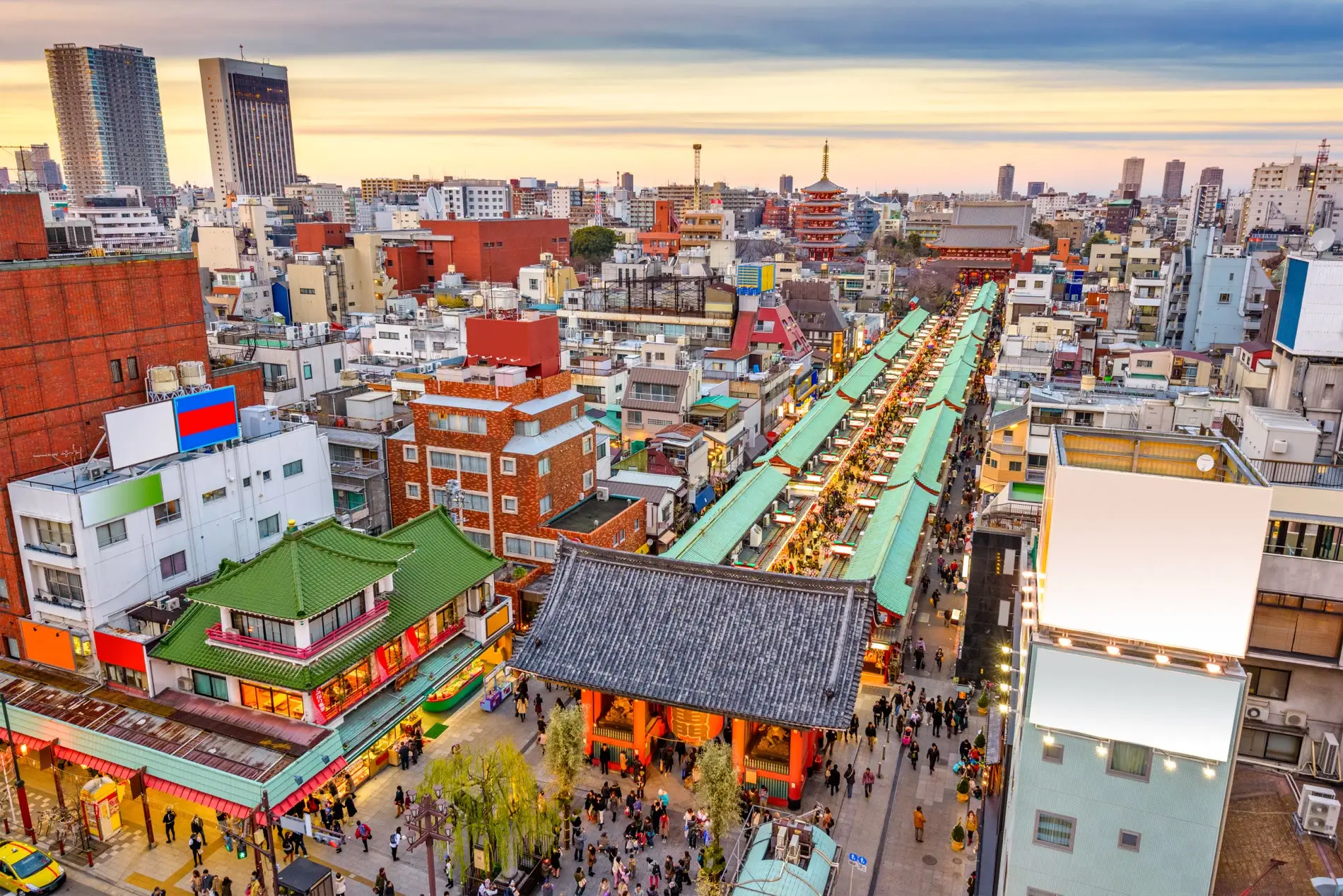
Travelers often list Kaminarimon, Nakamise Street and Sensoji as three separate attractions. In practice, they form one Asakusa sightseeing area. The same applies to Kiyomizu-dera, Sannenzaka and Ninenzaka in Kyoto.
| Sightseeing area | What may be included in one stop |
|---|---|
| Asakusa | Kaminarimon, Nakamise and Sensoji |
| Shibuya | Crossing, Hachiko and nearby shopping |
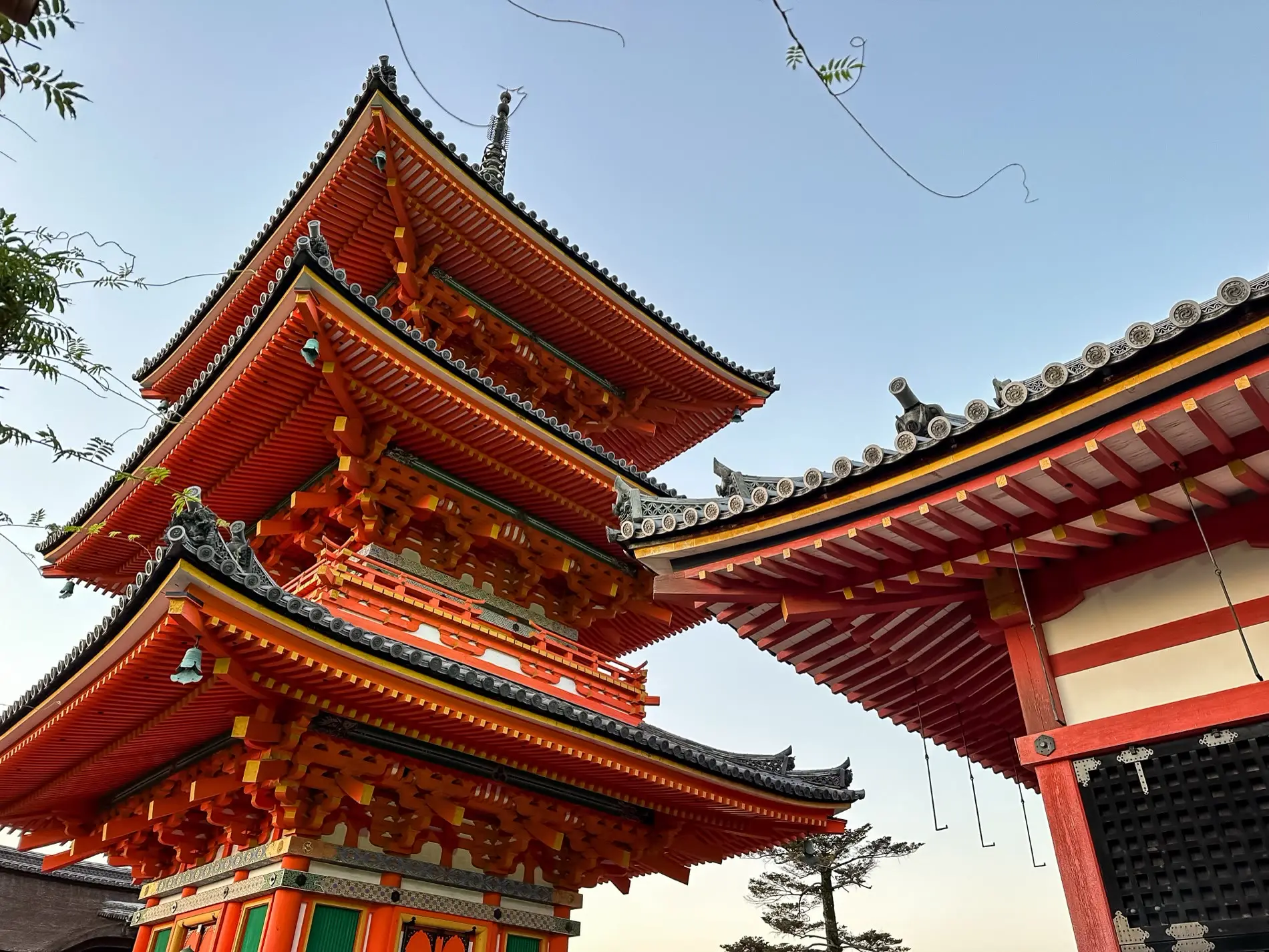
| Kiyomizu-Higashiyama | Temple, historic slopes and selected shops |
| Arashiyama | Bamboo area, bridge and nearby streets |
| Nara Park | Deer area and one selected historic site |
| Lake Kawaguchiko | One selected lakeside viewpoint or park |
Counting every photograph point separately creates the illusion that ten or twelve attractions will fit. Route planning should count the time required for the entire area.
The six factors that control the stop count
Distance and route direction
A route that moves in one direction can include more meaningful stops than a route that crosses the city repeatedly. Backtracking consumes time without creating another experience.
Walking inside attractions
A private car may reduce station walking but cannot drive through a shrine, temple, garden or pedestrian district. Walking speed can become the main schedule factor.
Group composition
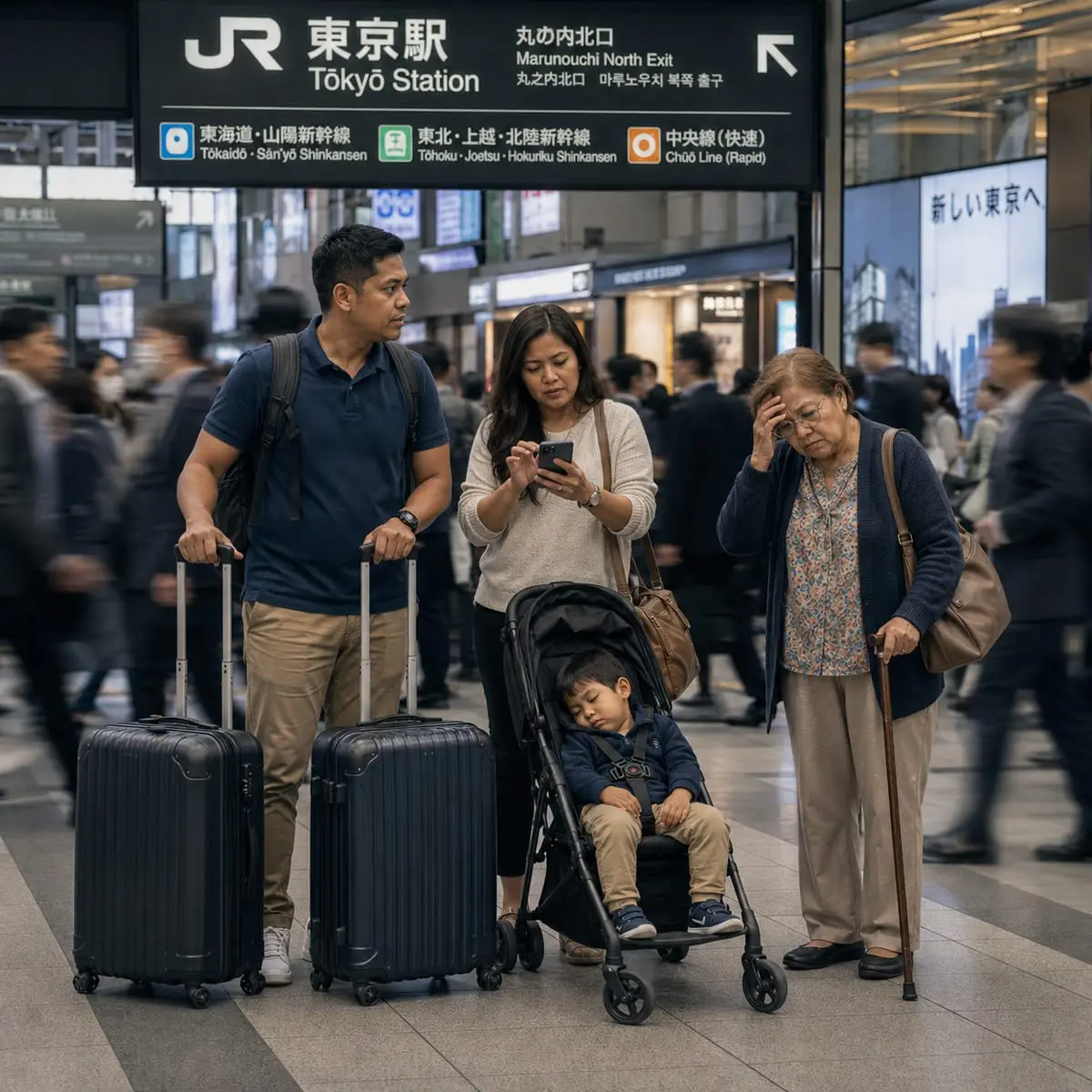
Children, senior parents, wheelchair users and large groups need more time for boarding, restrooms, headcounts and movement.
Meals, shopping and photographs
A one-hour shopping stop often becomes two hours. A restaurant queue can remove an attraction. Photography-focused guests need fewer locations and more time at each one.
Traffic, crowds and operating conditions
Peak seasons, holidays, road incidents, weather and attraction queues can change the day even when the original plan is reasonable.
The return journey
The group must return to the hotel or agreed drop-off within the booked duration. The final stop cannot be planned as though the tour ends wherever the family happens to be.
How many stops fit in Tokyo?
| Tokyo travel style | Realistic range |
|---|---|
| Active first-time adults | Five to six areas |
| Family with children | Four to five areas |
| Senior-friendly route | Three to four areas |
| One major ticketed attraction | Two to four additional areas |
| Shopping-heavy day | Three to four areas |
A balanced first-time route may include Meiji Shrine, Shibuya, Tokyo Tower, Imperial Palace exterior, Asakusa and Tokyo Skytree. This is already a full day. Adding Odaiba, TeamLab, Akihabara and Shinjuku would require removing other stops or creating a rushed itinerary.
How many stops fit on a Mount Fuji day trip?
Three to five main stops are normally realistic because the journey from Tokyo and the return can each take several hours. A typical family route might include Oshino Hakkai, a Lake Kawaguchiko viewpoint, Oishi Park, lunch and one final seasonal or shopping stop.
Chureito Pagoda requires a demanding climb and more time. Gotemba shopping can also consume several hours. Mount Fuji-Hakone is an approved selected combination, but the stop count in each area must be reduced.
How many stops fit in Kyoto?
| Kyoto travel style | Realistic range |
|---|---|
| Standard first-time route | Four major areas |
| Family with young children | Three to four areas |
| Senior-friendly route | Three areas |
| Photography-focused route | Three to four areas |
| Kyoto-Nara selected combination | Limited highlights in each destination |
Fushimi Inari, Kiyomizu-Higashiyama, Kinkaku-ji and Arashiyama can form a full day when the group starts early and maintains a practical pace. Each area includes walking and cannot be treated as a five-minute vehicle stop.
How many stops fit in Osaka?
A standard Osaka day may include three to five major areas. Osaka Castle, Dotonbori, a shopping district and one viewpoint or food stop are enough for most families.
Universal Studios Japan should be treated as its own day. Osaka Aquarium or another major ticketed attraction can also consume several hours and should replace, not simply join, a full city itinerary.
How many stops fit in Nara?
A dedicated Nara day can include three to five experiences within and around the central park area. The stops may look close on a map, but walking through the park and historic grounds requires time.
Kyoto-Nara works as a selected combination only by limiting both sides. Osaka should not be added to create a three-city route.
Yokohama, Nikko and Hakone
| Destination | Typical main stops | Planning caution |
|---|---|---|
| Yokohama | Four to six | Shopping, waterfront walking and meals can extend visits. |
| Nikko | Three to five | Long drive and large historic grounds. |
| Hakone | Three to five | Ropeway, cruise and weather disruptions affect timing. |
| Mount Fuji-Hakone combination | Selected highlights only | Not two complete tours in one day. |
Families with young children
Reduce the theoretical stop count by at least one or two. Children need meals, snacks, restrooms, stroller handling and recovery time. A child-friendly day should include one attraction that genuinely interests them rather than only adult photo locations.
- Plan three to five areas in a city.
- Use three or four stops on long-distance day trips.
- Protect lunch and a rest period.
- Keep one later attraction optional.
- Avoid booking timed tickets back-to-back.
Elderly parents and travelers with limited mobility
Three meaningful areas may be a complete day when the route includes slopes, temple grounds or long vehicle transfers. The family should plan around the person with the lowest stamina.
- Choose vehicle-accessible viewpoints.
- Avoid demanding climbs unless specifically requested.
- Use longer meal and restroom breaks.
- Reduce repeated boarding and unloading.
- Do not advertise the route as no-walking.
Timed attractions change the entire route
Observation decks, museums, theme parks, TeamLab and cultural experiences may require a fixed entry. The tour must protect travel time to the reservation and should not place several uncertain outdoor stops immediately before it.
One two-hour ticketed attraction can replace two or three shorter sightseeing areas. It should be treated as a major anchor, not added on top of an already full route.
Shopping is an attraction, not a quick gap filler
Shibuya, Ginza, Dotonbori, Gotemba Outlets and large shopping complexes can consume substantial time. If shopping is a priority, reduce the sightseeing stop count and plan vehicle capacity for purchases.
The vehicle may help with shopping bags when it is safe and permitted to leave them inside, but the family still needs to walk through the shopping area and return to the pickup point.
Weather and seasonal crowds
Cherry blossoms and autumn foliage
Crowds, parking pressure and longer photography time reduce the number of realistic stops. Choose one priority seasonal location.
Summer
Heat creates more frequent rest and water breaks. Fewer attractions usually produce a safer and more enjoyable day.
Rain
Loading, umbrellas, slippery surfaces and indoor queues slow the route. Replace or shorten outdoor stops instead of racing between too many alternatives.
Winter
Short daylight, cold and possible road disruption should be considered on long-distance routes.
Use a must-see, preferred and optional system
| Priority | Meaning | Recommended number |
|---|---|---|
| Must-see | The day would feel unsuccessful without it. | One or two |
| Preferred | Include when route and pace remain comfortable. | Two or three |
| Optional | Remove first when traffic, weather or fatigue changes. | One or two |
This system makes itinerary flexibility clear. Instead of promising every stop, the family and operations team know which locations protect the purpose of the day.
Example time budget for a city tour
| Time | Activity |
|---|---|
| 8:00 AM | Hotel pickup |
| 8:30-10:00 AM | First major area |
| 10:30-11:30 AM | Second area |
| 12:00-1:15 PM | Lunch and restroom break |
| 1:45-3:00 PM | Third area |
| 3:30-4:30 PM | Fourth area |
| 5:00 PM onward | Optional final stop or return, depending on traffic |
The schedule already includes only four main areas. It becomes a strong day because each one has enough time, not because the route lists ten names.
Private car vs train: which allows more stops?
A private car can reduce transfers and create direct movement between scattered attractions. Trains may be faster when the route follows major stations or road traffic is severe. The better option is the one that reduces total door-to-door time for the actual group.
| Situation | Likely advantage |
|---|---|
| Central Tokyo along one rail line | Train |
| Mount Fuji with several viewpoints | Private car |
| Kyoto across several districts | Private car for families and groups |
| Tokyo-Kyoto intercity travel | Shinkansen |
| Short hotel-to-restaurant journey | Taxi |
| Large family with strollers and shopping | Private car |
Nomad Diaries route policy
One primary destination per standard tour Most Nomad Diaries tours focus on one primary destination so guests have enough meaningful sightseeing time. Kyoto-Nara and Mount Fuji-Hakone are selected combinations with deliberately fewer stops. Osaka-Kyoto-Nara is not a standard one-day route.
How price relates to the stop count
A private-tour price pays for the confirmed vehicle, driver, operating time, route and service - not a guaranteed number of attractions. Adding more names to the itinerary does not increase the hours in the day.
| Example tour | Published rate | Typical planning range |
|---|---|---|
| Tokyo Day Tour | ¥100,000 / about US$620 | Four to six areas |
| Mount Fuji Day Tour | ¥130,000 / about US$810 | Three to five stops |
| Kyoto Day Tour | ¥140,000 / about US$870 | Three to five areas |
| Nara Day Tour | ¥140,000 / about US$870 | Three to five experiences |
| Kyoto-Nara Selected Combination | ¥150,000 / about US$930 | Limited highlights in each destination |
The final quotation may change according to vehicle, pickup area, duration, luggage, overtime, date and optional services.
Warning signs of an overloaded itinerary
-
The route crosses the same part of the city several times.
-
Lunch is listed as fifteen or twenty minutes.
-
Every attraction is marked as guaranteed.
-
The schedule ignores walking from parking or station areas.
-
A theme park or major museum is added to six other stops.
-
Mount Fuji, Hakone and Gotemba are all described as complete experiences.
-
Osaka, Kyoto and Nara are offered as three full tours in one day.
-
There is no buffer for traffic, weather or children.
-
The return journey is not included in the time budget.
-
The driver or operator accepts every request without reviewing feasibility.
Build a day that feels complete - not crowded
Send Nomad Diaries your hotel, travel date, group size and must-see attractions. The operations team will organize the route, identify unrealistic combinations and recommend the number of stops that fits your family’s pace.
GET A REALISTIC ITINERARY REVIEW Secondary action: Explore Japan Private Tours
Information to include in the inquiry
- Tour date
- Hotel or pickup area
- Group size
- Children and senior travelers
- Mobility or stroller needs
- Must-see attractions
- Preferred attractions
- Shopping or ticketed experiences
- Desired ending location
- Preferred pace
About this guide Prices come from the Nomad Diaries published rate card (November 2025). US-dollar figures are approximate, based on the Bank of Japan reference rate of ¥161 per US$1 (August 2026). Stop-count ranges are planning guidance rather than guarantees. Actual feasibility depends on the confirmed route, date, weather, traffic, operating hours and group pace.