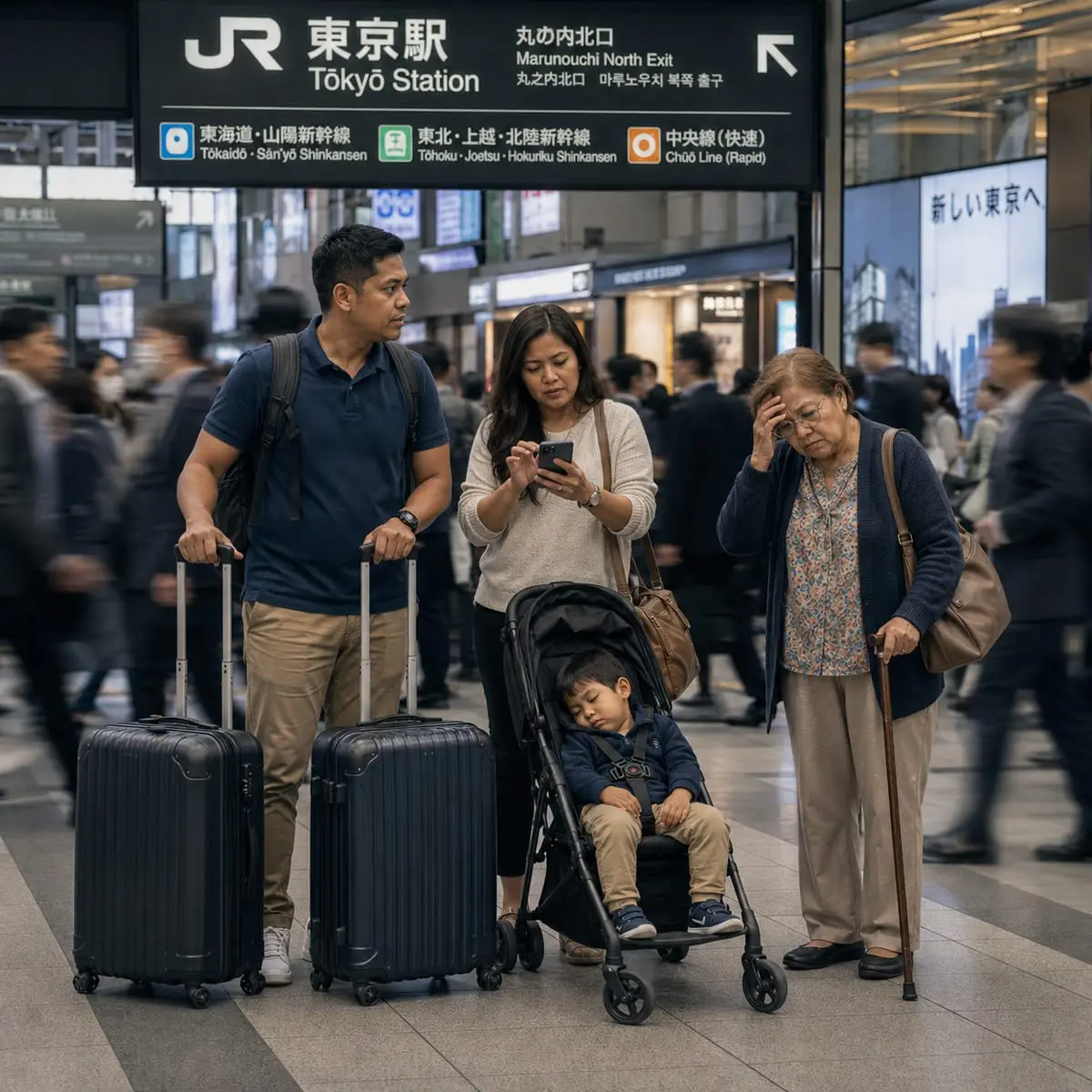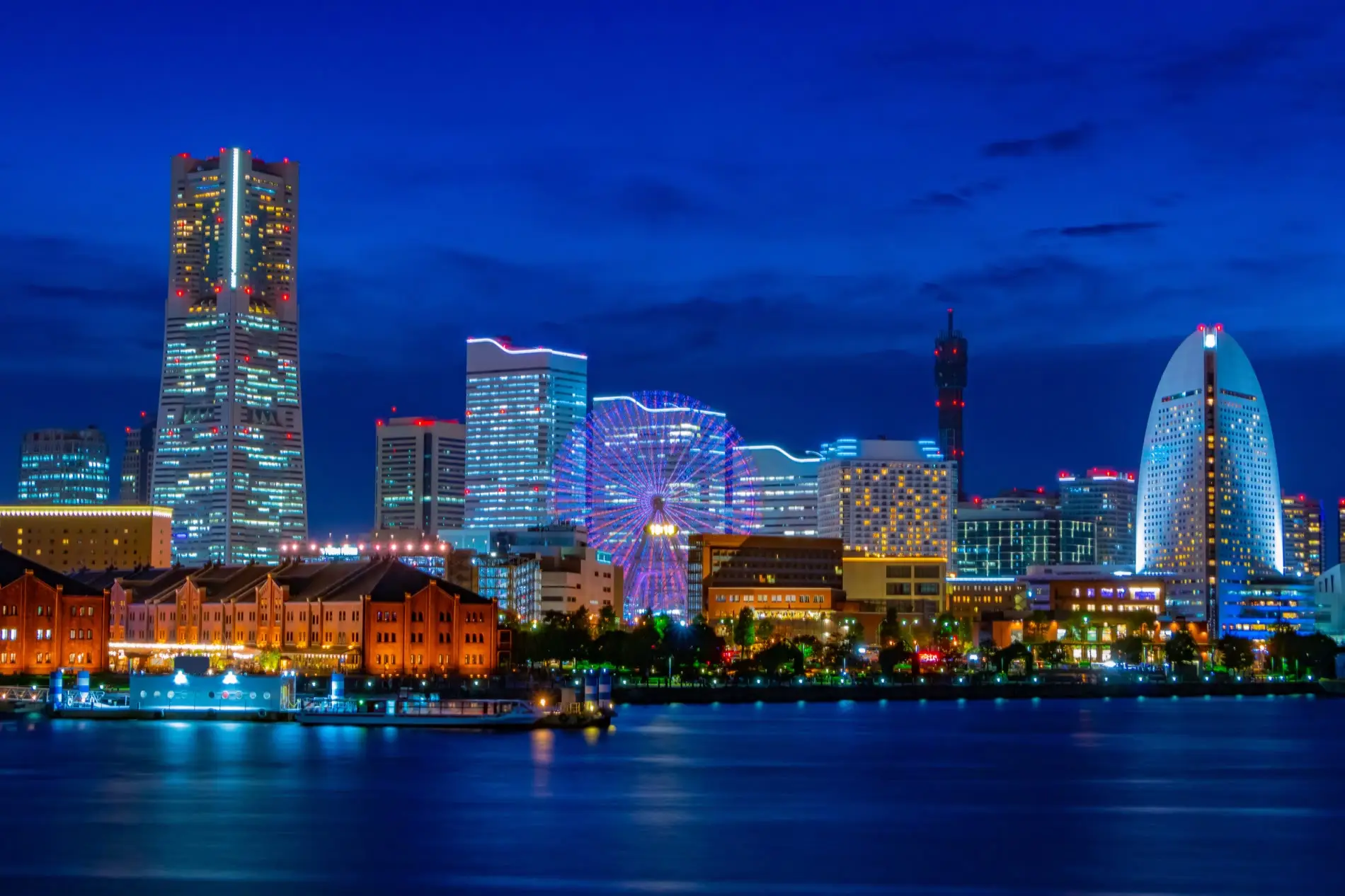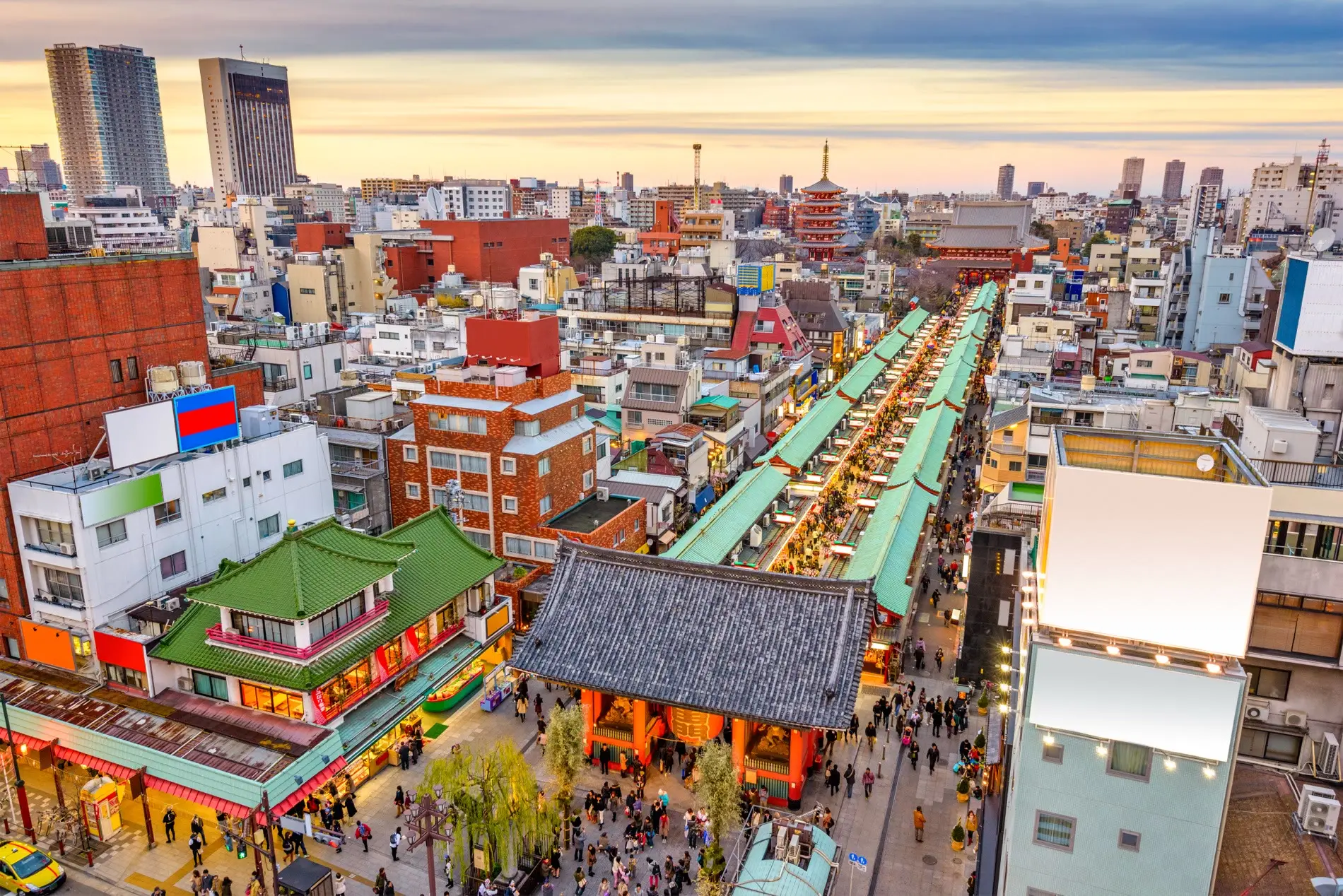
A private vehicle can reduce train transfers and transportation-related walking, but the route still needs to be planned carefully.
The most satisfying first-day route combines traditional Tokyo, modern Tokyo and one or two attractions that match your family’s interests. Instead of counting every landmark, focus on a logical route with enough time to enjoy each district without turning the day into a race.
Planning a Tokyo day tour for your family? Share your hotel, travel date, number of guests, mobility needs and must-see attractions. Nomad Diaries can recommend a realistic route and suitable vehicle for the group. GET A TOKYO ITINERARY RECOMMENDATION
Tokyo one-day tour: quick facts
| Detail | Practical guidance |
|---|---|
| Tour duration | Usually around 10 hours, including pickup, driving, meals, stops and hotel return |
| Recommended number of stops | Approximately 4-6 major stops |
| Best starting time | Around 8:00 AM, depending on hotel and planned route |
| Pickup | Tokyo hotel or another agreed location |
| Best for | First-time visitors, families, seniors and private groups |
| Walking level | Adjustable, but not completely avoidable |
| Main challenge | Traffic and attractions spread across different districts |
| Best route style | One continuous direction with minimal backtracking |
| Guide | Optional, depending on the confirmed service |
| Published tour price | ¥100,000 per private vehicle; approximately US$620 using the August 2026 BOJ reference rate |
Can you see Tokyo in one day?
One day is enough to experience a carefully selected introduction to Tokyo, but it is not enough to explore the entire city. Tokyo is a collection of large districts, each with its own attractions, shopping streets, restaurants and local character. A route that looks simple on a map may still require significant driving, parking, walking and waiting time.
For first-time visitors, the best approach is to choose a balanced route: one traditional attraction, one modern landmark, one major neighborhood, a relaxed meal and one or two optional stops. This creates a fuller experience than trying to touch ten locations for only a few minutes each.
A full-day itinerary must account for:
- Hotel pickup and boarding time
- Driving between districts and possible congestion
- Parking, legal loading areas and the walk from the vehicle
- Time inside attractions, shrines, temples and shopping areas
- Lunch, restroom breaks and rest periods
- Pre-booked ticket times and queues
- Shopping, photographs and family pacing
- The return journey to the hotel or final drop-off location
How many Tokyo attractions can you realistically visit?
Most groups can comfortably visit four to six major stops during a 10-hour tour. The number should be lower when the group includes toddlers, elderly parents, wheelchair users, long shopping sessions or ticketed attractions that require fixed entry times.
| Travel style | Realistic number of major stops |
|---|---|
| Relaxed family or senior itinerary | 3-4 |
| Standard first-time itinerary | 4-6 |
| Fast-paced adult itinerary | 6-7 |
| Photography-focused itinerary | 3-5 |
| Shopping-heavy itinerary | 3-4 |
A single “stop” can include several nearby sights. In Asakusa, for example, the family can see Kaminarimon, walk through Nakamise Street and visit Senso-ji without moving the vehicle. In Shibuya, one stop may include the crossing, the Hachiko statue, a café and nearby shopping. Grouping nearby sights creates a better day than treating each point as a separate destination.
What is the best Tokyo itinerary for first-time visitors?
A strong first-time route moves through the city in one logical direction and combines traditional and modern Tokyo. The following sequence works as a starting point, but the order should change according to hotel location, attraction hours, restaurant plans, traffic and the group’s priorities.
-
Meiji Shrine
-
Shibuya
-
Tokyo Tower or another preferred viewpoint
-
Imperial Palace exterior area
-
Asakusa
-
Tokyo Skytree area
Not every group needs all six stops. Families with young children may replace Meiji Shrine with a shorter cultural stop. Senior travelers may prefer the Imperial Palace exterior and Asakusa, while active adults may add Harajuku or Ginza. The route should reflect the people traveling, not only a list of famous attractions.
Recommended 10-hour Tokyo private-car itinerary
8:00 AM - Tokyo hotel pickup
The driver meets the group at the confirmed hotel entrance or pickup point. Before departure, the group should confirm the number of passengers, child seats, stroller or wheelchair, priority attractions, pre-booked tickets and final drop-off location. This short check prevents delays later in the day.
8:30 AM - Meiji Shrine
Allow approximately 60-75 minutes. Meiji Shrine offers a quiet, forested introduction to traditional Japan and creates a strong contrast with the surrounding modern districts. The shrine grounds require walking from the vehicle-accessible area to the main complex, so this stop should be shortened or replaced when anyone has limited mobility.
Possible activities:
- Walk through the forested approach
- Visit the main shrine complex
- Take family photographs at the torii gates
- Learn basic shrine etiquette from a guide, when one is included
10:00 AM - Shibuya
Allow approximately 45-75 minutes. Shibuya is one of Tokyo’s most recognizable modern districts. A short visit can cover the crossing and Hachiko statue, while a longer visit may include shopping, a café or a reserved observation deck.
Observation decks should be treated as major activities rather than quick add-ons. Advance tickets, entry windows, security checks and time at the top can use more than an hour, which may require removing another stop.
11:30 AM - Tokyo Tower or another viewpoint
Allow approximately 45-60 minutes. Tokyo Tower works well for first-time visitors because it provides an iconic city landmark and can be paired with nearby Zojoji Temple or a short exterior photo stop. Other options include a Roppongi viewpoint, Odaiba skyline view or a different observation deck selected in advance.
Avoid adding several observation decks to the same day unless city views are the group’s main priority. One carefully selected viewpoint usually provides better value than repeating similar experiences.
12:30 PM - Lunch
Allow approximately 60-90 minutes. A successful itinerary protects lunch time instead of treating it as an inconvenience. Families and senior travelers often need time to rest, use the restroom and enjoy a meal without watching the clock.
Consider:
- Restaurant waiting time or reservation requirements
- Dietary restrictions and children’s preferences
- Accessibility, seating and restroom availability
- Parking or legal pickup arrangements
- Whether the restaurant is located naturally along the route
2:00 PM - Imperial Palace exterior area
Allow approximately 30-45 minutes. A practical visit may focus on the Nijubashi viewpoint, the Marunouchi skyline and exterior photographs. Access to palace areas is controlled, and visitors should not expect to enter every section freely. This stop works best as a concise cultural and cityscape visit.
3:00 PM - Asakusa
Allow approximately 75-90 minutes. Asakusa often becomes one of the longest stops because it combines sightseeing, traditional snacks, souvenir shopping and crowds. The main route normally includes Kaminarimon, Nakamise Street and Senso-ji.
Families should agree on a meeting point and shopping limit before entering the pedestrian area. A ten-minute souvenir stop can easily become an hour when a large group separates across different stores.
5:00 PM - Tokyo Skytree area
Allow approximately 45-75 minutes. The group can take exterior photographs, shop at Solamachi, have a snack or enter the observation deck when tickets and timing permit. In some seasons, this can also serve as a final evening-view stop.
6:00 PM - Return to the hotel or agreed drop-off
Arrival time depends on the hotel location, evening traffic and the time used at earlier stops. If one attraction takes longer than expected, the final stop may need to be shortened or removed so the group can return within the confirmed tour duration.
Sample schedule, not a guarantee Traffic, weather, crowds, timed tickets, restaurant queues and the family’s pace may require attractions to be shortened, removed or rearranged. A realistic tour protects the experience rather than forcing every stop.
Traditional and modern Tokyo itinerary
First-time visitors often want both historic atmosphere and the energetic city they have seen in films and social media. The standard route can be divided into two themes.
| Traditional Tokyo | Modern Tokyo |
|---|---|
| Meiji Shrine | Shibuya |
| Imperial Palace exterior | Tokyo Tower |
| Asakusa and Senso-ji | Tokyo Skytree |
| Traditional streets and snacks | Odaiba or another skyline district |
A logical route might begin at Meiji Shrine, move through Shibuya and Tokyo Tower, pass the Imperial Palace area, and finish in Asakusa and Tokyo Skytree. This route crosses several sections of Tokyo, so it is most practical with an early start and controlled stop times.
Family-friendly Tokyo itinerary
Families with younger children normally enjoy a better day when the itinerary includes fewer temples and more interactive or open-ended experiences. One major ticketed attraction may replace two or three shorter sightseeing stops.
Possible family route:
-
Hotel pickup
-
Meiji Shrine or a shorter cultural stop
-
Shibuya Crossing
-
Family-friendly lunch
-
Odaiba
-
TeamLab or another pre-booked indoor attraction
-
Tokyo Skytree or a convenient shopping area
-
Hotel drop-off
Why this works:
- Fewer long shrine and temple walks
- More interactive attractions and indoor alternatives
- Reliable restroom, dining and rest facilities
- Time for children to eat, nap or recover between stops
- A route that can be shortened when the children become tired
Ticketed attractions such as TeamLab can use two or more hours when entry, queues and the full experience are included. They should be treated as the center of the day, not inserted between six other destinations.
Senior-friendly Tokyo itinerary
A senior-friendly itinerary should reduce unnecessary walking and transfers while still allowing the travelers to experience Tokyo’s character. Four meaningful stops are usually better than six rushed stops.
Recommended priorities:
- Minimal stairs and shorter outdoor walking routes
- Convenient restrooms and seating
- A comfortable lunch with enough rest time
- More sightseeing from the vehicle between stops
- Longer boarding time and fewer district changes
Possible senior-friendly route:
-
Hotel pickup
-
Imperial Palace exterior
-
Tokyo Tower or a scenic drive
-
Relaxed lunch
-
Asakusa with a shortened walking route
-
Tokyo Skytree area
-
Hotel return
Age alone does not determine the route. Some travelers in their seventies can walk for hours, while younger guests may have joint pain, heart conditions or mobility limitations. The itinerary should be based on actual ability, not assumptions.
Tokyo itinerary with children and grandparents
A multigenerational trip succeeds when the day is designed around the person with the lowest energy level. Children may become restless, while grandparents may need slower boarding, more seating and regular restroom stops. A shared itinerary should include enough variety for everyone without creating a long list of obligations.
A balanced multigenerational day may include:
- One cultural attraction
- One modern landmark
- A relaxed lunch
- One family-friendly attraction or open space
- One souvenir or shopping stop
- An early or flexible hotel return
A practical route is the Imperial Palace exterior, Tokyo Tower, lunch, Asakusa and Tokyo Skytree. It gives the family a mix of history, recognizable landmarks, food, shopping and city views while limiting the number of long transfers.
Tokyo photography itinerary
A photography itinerary should contain fewer locations because good photographs require time. The group may need to wait for pedestrians, changing light, weather or a clear family composition. Parking and legal loading points may also be separated from the ideal camera position.
Possible photography locations:
- Meiji Shrine and its torii gates
- Shibuya Crossing
- Tokyo Tower and Zojoji Temple area
- Marunouchi and Tokyo Station exterior
- Asakusa and Senso-ji
- Tokyo Skytree
- Odaiba and Rainbow Bridge
Select four or five locations rather than trying to cover the full list. Tripods, lighting equipment and professional shoots may be restricted or require permission at some locations, so commercial production needs should be disclosed before the itinerary is confirmed.
Tokyo shopping itinerary
Tokyo offers very different shopping districts. The best itinerary depends on what the group wants to buy, not simply which locations are famous.
| Interest | Suggested area |
|---|---|
| Luxury brands | Ginza or Omotesando |
| Youth fashion | Shibuya or Harajuku |
| Electronics, games and anime | Akihabara |
| Traditional souvenirs | Asakusa |
| Family shopping and dining | Odaiba or Tokyo Skytree Solamachi |
A private vehicle can be useful because the family does not need to carry every shopping bag through several train transfers. Bags may remain in the vehicle when it is secure and permitted, but valuables should always stay with the guests. Long shopping sessions reduce the number of sightseeing stops, so the family should decide whether the day is primarily for shopping or general touring.
Rainy-day Tokyo itinerary
Tokyo still offers many strong options during rain. A private vehicle provides more protection between districts, but guests should expect some outdoor walking from legal drop-off points into buildings.
Possible indoor or weather-resistant options:
- Museums and galleries
- Reserved observation decks
- Department stores and shopping centers
- Odaiba attractions
- TeamLab or another timed indoor experience
- Tokyo Skytree Solamachi
- Ginza and Akihabara shopping
- Indoor cultural experiences
Sample rainy-day route:
-
Tokyo Station or Marunouchi
-
Museum or pre-booked attraction
-
Lunch
-
Odaiba
-
Shopping center or indoor activity
-
Tokyo Skytree area
Popular indoor attractions may sell out, especially on weekends and public holidays. A rainy-day backup is most useful when tickets and opening hours are checked before the tour.
Tokyo private car vs train
Tokyo’s rail network is excellent, and trains may be faster for simple station-to-station journeys. A private vehicle offers a different benefit: door-to-door coordination, fewer transfers and an itinerary built around the group.
| Factor | Private car | Train |
|---|---|---|
| Hotel pickup | Yes | No |
| Transfers | Minimal | May require several |
| Stroller and mobility convenience | High when planned correctly | Depends on stations and crowding |
| Luggage or shopping bags | More convenient when vehicle capacity is confirmed | Can become tiring |
| Traffic risk | Yes | Usually lower |
| Best for small active groups | Optional | Often excellent |
| Best for large families | Often practical | Requires group coordination |
| Schedule flexibility | High within tour limits | Based on routes and schedules |
Trains may be better when:
- The group is small, active and traveling light
- Attractions are beside major stations
- The route follows one rail line or a compact area
- Traffic is expected to be severe
- Cost is the main priority
A private car may be better when:
- The group includes young children or senior travelers
- There are six to nine passengers
- The family has a stroller, wheelchair or many belongings
- The itinerary covers distant districts
- The group expects to shop
- Hotel pickup and flexible rest periods are priorities
Can a private car avoid all walking in Tokyo?
No. A private vehicle reduces walking between the hotel, stations and districts, but guests still need to walk inside attractions. Vehicles must also use legal parking and loading areas, which may be several minutes away from the entrance.
- Meiji Shrine requires a walk through the grounds.
- Asakusa involves walking along Nakamise and inside Senso-ji.
- Shibuya requires walking around the crossing and surrounding district.
- Observation decks involve queues, elevators and movement through buildings.
- Shopping centers can require extensive indoor walking.
Travelers with mobility concerns should state the maximum comfortable walking time, whether stairs are possible and whether a wheelchair or cane will be used. This allows the route to prioritize accessible viewpoints and shorter approaches.
How Tokyo traffic affects a one-day tour
Private transportation removes train transfers, but it does not remove road traffic. Congestion may be affected by morning and evening rush hour, accidents, construction, rain, public events, holiday traffic and parking restrictions.
When traffic becomes heavier than expected, removing a lower-priority stop is usually better than rushing every attraction or creating excessive overtime. The driver and operations team may also adjust the stop order when another route is more practical.
Build priorities, not promises Mark attractions as must visit, would like to visit and optional. This gives the team a clear order for adjustments if traffic or a long stop changes the day.
Attractions that should not always be combined
Some combinations look possible on a map but create an exhausting or inefficient day. The issue is not that the attractions are forbidden; it is that the group may spend more time moving than experiencing Tokyo.
- Odaiba, Shinjuku, Asakusa and Tokyo Skytree with a long shopping session
- Tokyo Disneyland and central Tokyo sightseeing on the same day
- TeamLab plus six additional major attractions
- Multiple observation decks
- Several museums in different districts
- A full Tokyo experience and a full Yokohama experience in one day
- A distant airport pickup plus a complete city route without reducing stops
A good itinerary measures the quality of the day, not the number of pins visited. One memorable hour in Asakusa is more valuable than a five-minute photograph at several locations.
How to customize the Tokyo itinerary
Before confirming the route, ask every traveler to classify attractions as must visit, would like to visit, optional or not interested. This prevents one family member’s personal list from controlling the entire day.
Information the tour planner needs:
- Hotel and pickup location
- Travel date and preferred start time
- Number of adults, children and seniors
- Children’s ages and any child-seat requirements
- Mobility concerns, wheelchair or stroller
- Must-see attractions and shopping priorities
- Restaurant preferences and dietary restrictions
- Pre-booked tickets and entry times
- Desired ending location
With this information, the operations team can arrange the route in a practical order, identify unrealistic combinations and recommend which stops should remain optional.
How much does a Tokyo private tour cost?
The Nomad Diaries published rate for a Tokyo Day Tour is ¥100,000 per private vehicle. Using the Bank of Japan’s August 2026 reference rate of ¥161 per US$1, this is approximately US$621, which can be displayed as about US$620 for convenient comparison.
| Service | Official price | Approximate USD |
|---|---|---|
| Tokyo Day Tour | ¥100,000 per private vehicle | About US$620 |
The Japanese-yen amount is the official reference. The US-dollar amount is only an estimate and may differ according to the exchange rate, payment provider and processing date.
The final quotation may also depend on:
- Pickup and drop-off locations
- Vehicle type and availability
- Group size and luggage
- Travel date and peak-season demand
- Overtime
- Licensed guide request
- Child seat or wheelchair arrangements
- Photographer or other add-ons
- Special itinerary requirements
What is normally included?
The confirmed quotation should clearly state every inclusion and exclusion. A typical arrangement may include a private vehicle, professional driver, Tokyo hotel pickup and drop-off, fuel, standard itinerary planning, operations-team monitoring and reasonable route adjustments during the booked period.
| Commonly included | May be separate or excluded |
|---|---|
| Private vehicle and professional driver | Attraction tickets |
| Tokyo hotel pickup and drop-off | Meals and personal expenses |
| Fuel and standard route planning | Licensed guide |
| Operations-team coordination | Photographer |
| Air-conditioned transportation | Overtime and special arrangements |
| Reasonable itinerary adjustments | Child seat, wheelchair rental or charges not stated in the quotation |
Do not assume that the driver automatically provides full historical explanations or accompanies the group inside every attraction. Driver and guide services are different unless the confirmed booking states otherwise.
Is a Tokyo private tour worth it?
A private tour is most valuable when the group needs convenience, coordination and a route adapted to its physical needs. It is not automatically necessary for every visitor.
| More likely worthwhile | May not be necessary |
|---|---|
| Families with toddlers or strollers | Solo travelers |
| Senior or multigenerational groups | Couples traveling light |
| Groups of six to nine | Active families with older children |
| Travelers with mobility limitations | Budget-focused travelers |
| Guests with a short Tokyo stay | Visitors exploring one compact district |
| Shopping-focused families | Travelers comfortable using trains |
| Travelers who value hotel pickup | Guests who enjoy spontaneous station-based exploration |
Many travelers use a hybrid strategy: trains for simple independent days and private transportation for the most demanding sightseeing day, airport transfer or a day involving children and grandparents.
Common one-day Tokyo itinerary mistakes
-
Planning ten or more major attractions
-
Ignoring driving, parking and walking time
-
Including several observation decks
-
Booking timed attractions too close together
-
Underestimating walking inside attractions
-
Crossing the city repeatedly instead of following one direction
-
Forgetting lunch, restroom and rest breaks
-
Assuming the driver is automatically a guide
-
Not disclosing wheelchairs, strollers or child-seat needs
-
Treating a shopping district as a short stop
-
Ignoring morning and evening traffic
-
Failing to rank must-see and optional destinations
Experience Tokyo at your family’s pace
Tokyo has more attractions than any family can comfortably visit in one day. The right itinerary depends on the hotel, travel date, children’s ages, senior travelers, mobility needs, ticket reservations and the places that matter most to the group.
Let Nomad Diaries build a realistic Tokyo route Share your hotel, travel date, group size, must-see destinations, luggage and mobility needs. Our team will recommend a practical stop order and suitable private vehicle without overloading the day. GET A TOKYO ITINERARY RECOMMENDATION
Suggested inquiry details
- Travel date and preferred pickup time
- Tokyo hotel or pickup area
- Number of adults, children and senior travelers
- Children’s ages
- Stroller, wheelchair or mobility requirements
- Must-see and optional attractions
- Pre-booked tickets
- Shopping and restaurant preferences
- Desired ending location