Travelers who want Osaka, Kyoto and Nara should allow at least two days - ideally three.
| Question | Practical answer |
|---|---|
| Can all three cities be reached in one day? | Technically yes, but reaching them is not the same as experiencing them. |
| Does Nomad Diaries offer a standard three-city tour? | No. Osaka-Kyoto-Nara is not a standard one-day route. |
| What is the normal approach? | One primary destination per day. |
| What is the approved exception? | Kyoto-Nara, with selected highlights and limited stops. |
| Best option for first-time visitors | Choose the city that matches the family’s main interest. |
| Best option for families and seniors | One city, or a relaxed Kyoto-Nara route only when mobility and pace allow. |
Can Osaka, Kyoto and Nara be visited in one day?
The honest answer is that all three cities can be passed through in one day, but they cannot all be experienced properly in one day. A rushed schedule may produce a photograph in each city while leaving very little time for temples, local food, shopping, rest or cultural experiences.
For Nomad Diaries, the goal is not to maximize the number of city names on an itinerary. The goal is to create a comfortable, realistic day that gives the family enough time to enjoy the destination. That is why most tours focus on one primary destination and why the Osaka-Kyoto-Nara route is not offered as a standard product.
Nomad Diaries route policy Most standard day tours focus on one primary destination. Kyoto-Nara and Mount Fuji-Hakone are selected combination routes. A selected combination does not mean that a third city can automatically be added.
Why the three-city idea sounds easier than it is
On a map, Osaka, Kyoto and Nara appear close enough to combine. The problem is that travel time between city centers is only one part of the day. A real tour must also include hotel pickup, vehicle loading, parking, walking from legal drop-off areas, attraction queues, meals, restroom breaks, shopping and the return journey.
- Kyoto attractions are spread across several districts rather than concentrated around one entrance.
- Nara Park and its historic sites require walking through a large outdoor area.
- Osaka highlights such as Osaka Castle and Dotonbori are in different parts of the city.
- Traffic can build around Kyoto, Osaka and expressway junctions, especially on weekends and peak seasons.
- Every additional city creates another loading, driving, parking and walking cycle.
- A delay in the first city affects every later stop and may remove the final destination completely.
What a rushed three-city day would actually look like
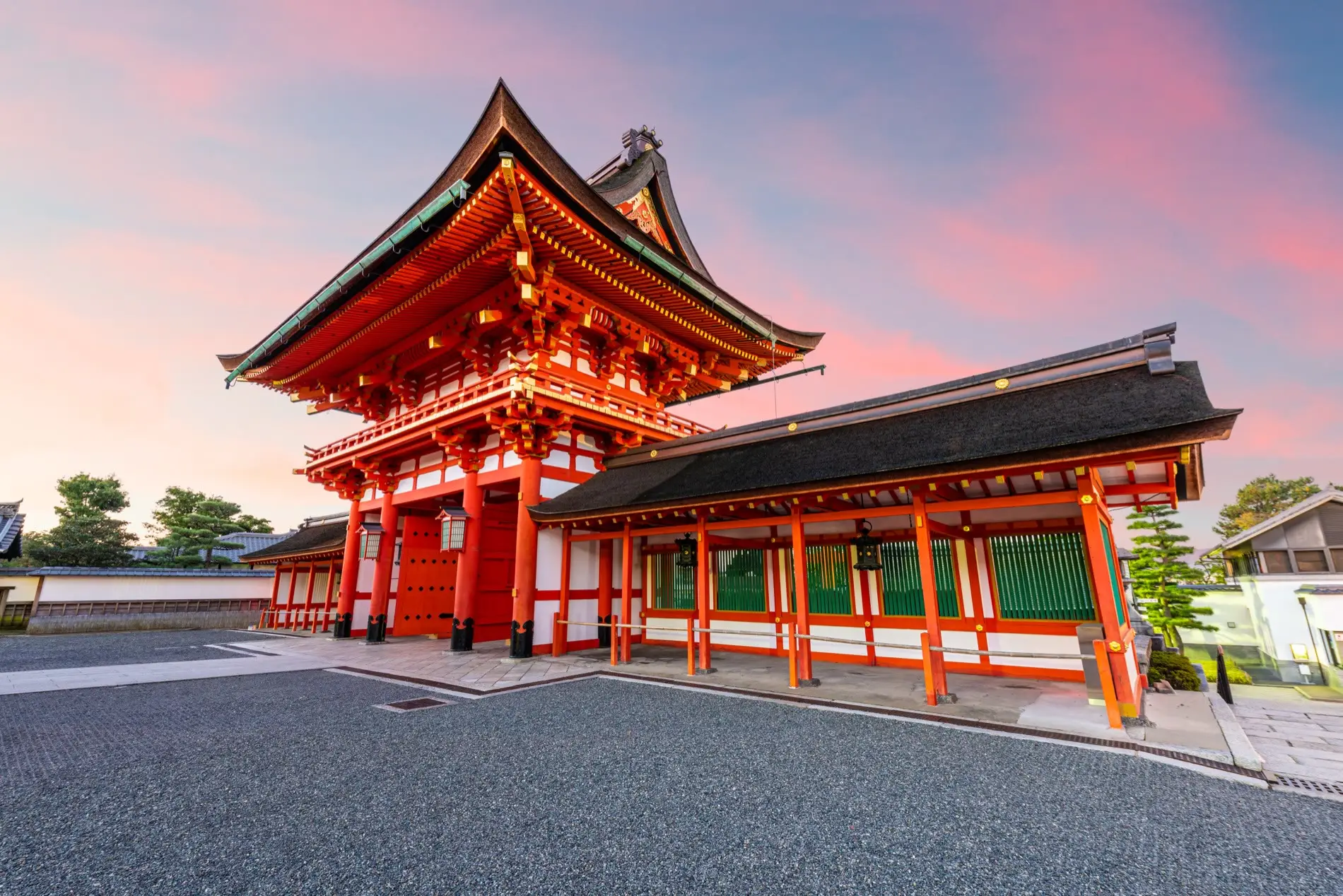
A highly compressed itinerary might include the lower area of Fushimi Inari, a quick deer encounter in Nara Park and an evening walk in Dotonbori. This is not three complete tours. It is three brief introductions connected by long periods of movement.
| City | What might fit in a rushed day | What would usually be sacrificed |
|---|---|---|
| Kyoto | One short stop, often Fushimi Inari lower area | Kiyomizu-dera, Kinkaku-ji, Arashiyama, Gion and cultural experiences |
| Nara | Brief Nara Park and deer encounter | Multiple temples, relaxed park exploration and museum time |
| Osaka | One evening district such as Dotonbori | Osaka Castle interior, shopping districts, aquarium and food exploration |
The schedule may sound efficient on paper, but the family would spend a large portion of the day inside the vehicle. Children and elderly parents would also need to board repeatedly and walk in three separate sightseeing areas.
Why Nomad Diaries recommends one primary destination
A one-city day provides enough time to experience a destination rather than simply document that the group was there. It also creates space for the practical needs that make a family trip enjoyable: a proper lunch, restroom breaks, shopping, photographs, unexpected discoveries and a comfortable return to the hotel.
| One-city approach | Three-city approach |
|---|---|
| Three to five meaningful areas or attractions | Usually one short stop in each city |
| Time to adjust for children or senior travelers | Very little recovery time after delays |
| A realistic meal and rest schedule | Meals are often shortened or moved late |
| More opportunity for cultural context | Mostly transit and quick photographs |
| Lower risk of losing the final destination | One delay can affect the entire route |
Why Kyoto-Nara works as a selected exception
Kyoto-Nara is available because a carefully designed route can connect selected attractions in southern Kyoto with central Nara. The route is not a complete Kyoto tour plus a complete Nara tour. It is a highlights itinerary built around a limited number of locations.
A common structure may use Fushimi Inari as the Kyoto highlight because it is positioned in southern Kyoto, followed by Nara Park and one selected historic site. The day may include one additional Kyoto stop only when the pickup location, traffic and group pace make it realistic.
Selected combination, not unlimited customization The Kyoto-Nara route is a planned exception. Osaka cannot be added as a standard extension. Travelers who want a proper Osaka experience should reserve a separate Osaka day.
Choose Kyoto when traditional Japan is the priority
Kyoto is the best single-city choice for travelers who want temples, shrines, historic streets, gardens and traditional atmosphere. A full Kyoto day can usually focus on three to five major areas depending on the group’s pace and pickup location.
Possible first-time Kyoto priorities
- Fushimi Inari lower shrine area
- Kiyomizu-dera and Higashiyama
- Kinkaku-ji
- Arashiyama
- Gion or a cultural experience
Attempting to add Nara or Osaka means removing several of these Kyoto experiences. First-time visitors who consider Kyoto essential should normally protect the full Kyoto day.
Choose Nara when the family wants deer, history and a quieter pace
Nara is a strong choice for families who want an outdoor day, deer encounters and major historic sites without moving across several urban districts. The central park area contains many of the city’s best-known experiences, but the distances inside the park should not be underestimated.
Possible Nara priorities
- Nara Park
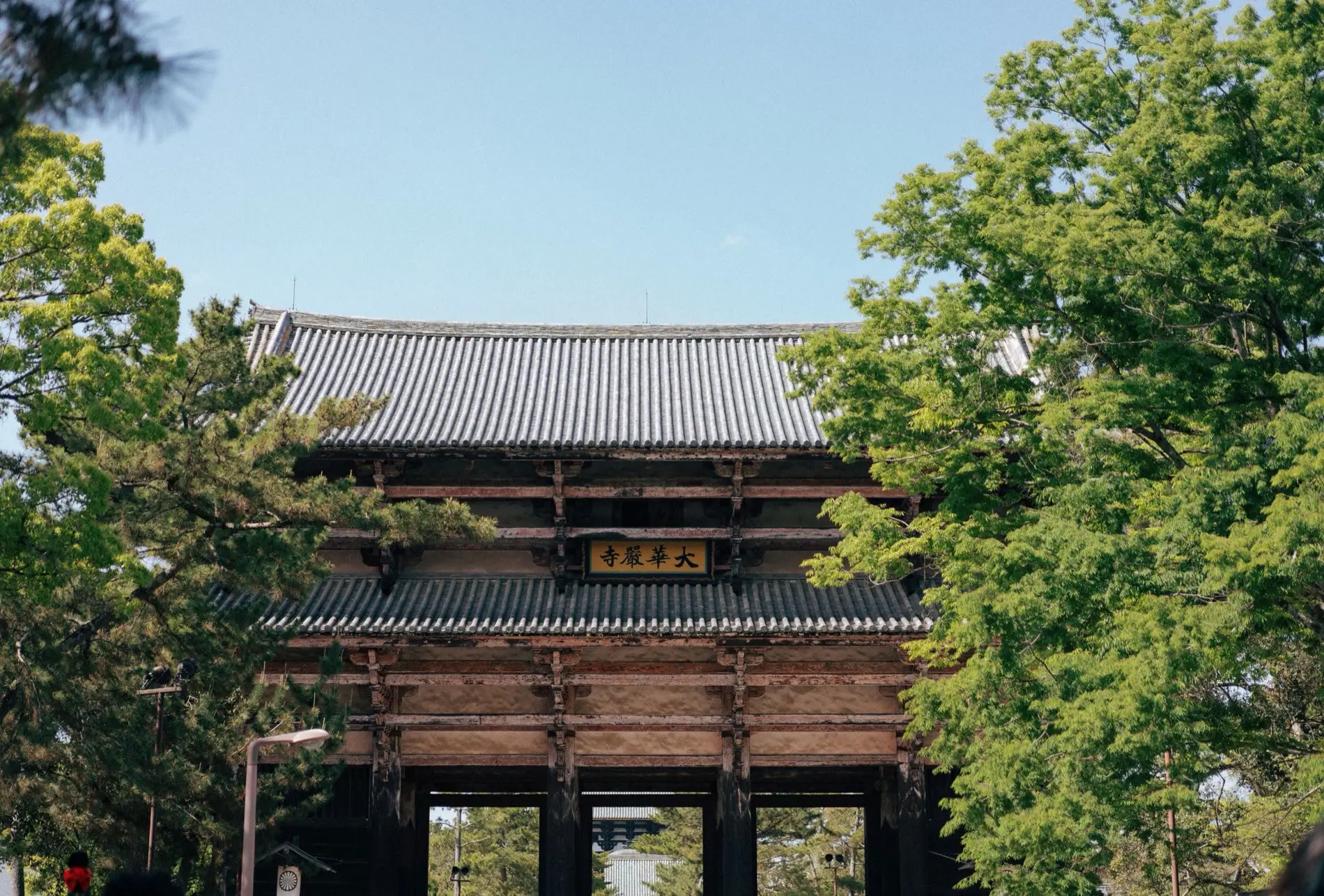
- Todaiji area
- Kasuga Taisha surroundings
- Traditional streets or a local lunch
- A relaxed photography and snack break
A dedicated Nara day is more comfortable for young children and senior travelers because it allows proper rest, a slower park walk and time to follow local guidance around the deer.
Choose Osaka when food, shopping and city energy are the priority
Osaka is the better choice for travelers who prefer city entertainment, food, shopping and modern urban attractions. A private day can connect selected districts without requiring the family to carry purchases through repeated train transfers.
Possible Osaka priorities
- Osaka Castle area
- Dotonbori and Namba
- Umeda or another viewpoint
- Kuromon Market or a food-focused district
- Family shopping or an indoor attraction
Universal Studios Japan should normally be treated as its own full-day activity rather than combined with a city tour.
A realistic Kyoto-Nara selected combination itinerary
| Approximate time | Activity | Planning note |
|---|---|---|
| 7:30-8:00 AM | Hotel pickup | Earlier departure is especially important from Osaka. |
| Morning | Fushimi Inari lower area | Short torii-gate experience; no full mountain climb. |
| Late morning | Travel to Nara | Traffic and pickup location affect timing. |
| Midday | Nara Park and selected historic site | Allow time for walking, lunch and deer guidance. |
| Afternoon | One optional additional stop | Included only when conditions and pace permit. |
| Evening | Return to agreed hotel | Kyoto or Osaka drop-off affects total driving time. |
This sample is a planning framework, not a guaranteed timetable. Families with toddlers, mobility limitations or a strong interest in photography may be better served by choosing Kyoto or Nara alone.
Is the Kyoto-Nara route suitable for families?
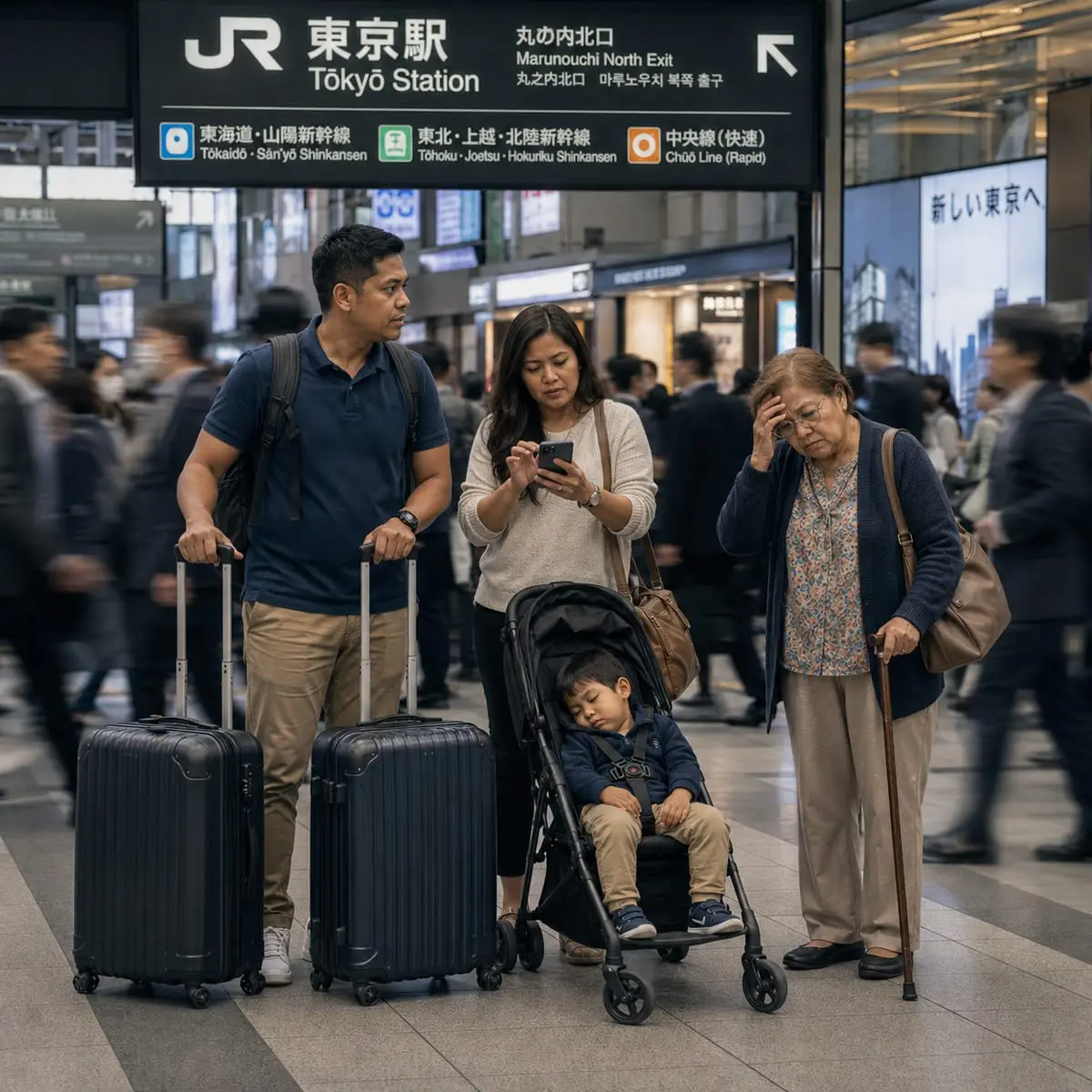
It can suit families with older children who are comfortable with walking and a full touring day. It may be tiring for babies, toddlers, children who need a long afternoon nap or families carrying a large stroller and many bags.
- Keep the Fushimi Inari visit to the lower area.
- Protect lunch and restroom time instead of adding an extra temple.
- Supervise children closely around Nara’s deer and keep food secured.
- Confirm stroller and luggage capacity before choosing the vehicle.
- Treat every additional attraction as optional rather than guaranteed.
Is the route suitable for elderly parents?
The combination may be possible for active senior travelers, but it should not be selected simply because the family wants to maximize the number of cities. Repeated vehicle boarding, slopes at Fushimi Inari and walking through Nara Park can create a demanding day.
For travelers with knee pain, limited stamina, wheelchair needs or sensitivity to heat, a single-city itinerary is normally the better recommendation. The private vehicle reduces station transfers but does not eliminate attraction walking.
Private car vs train for Kansai combinations
| Factor | Private car | Train and local transport |
|---|---|---|
| Hotel pickup | Yes, subject to vehicle access | No |
| Group coordination | One vehicle for the group | Transfers and station meeting points |
| Traffic exposure | Yes | Usually less road exposure |
| Walking | Reduced between cities | More walking to and from stations |
| Flexibility | Adjustable within booked duration | Structured by schedules and connections |
| Best use | Families, seniors, larger groups and selected multi-stop routes | Solo travelers, couples and direct station-to-station journeys |
A private car makes Kyoto-Nara more manageable, but it cannot create enough time for three complete city experiences. The vehicle is a comfort and coordination tool, not a way to ignore geography.
Seasonal conditions that make three cities even less realistic
Cherry-blossom and autumn-foliage periods
Kyoto roads, temple entrances and pedestrian areas can become extremely busy. A schedule that looks possible in a quiet month may become unrealistic during peak weekends.
Summer
Heat and humidity reduce comfortable walking time, especially for children and senior travelers. More frequent water, restroom and cooling breaks should be protected.
Golden Week and public holidays
Road congestion and attraction queues increase the risk that the final city will be removed. Two cities should be treated as the maximum, and one city may still provide the best experience.
Winter
Shorter daylight and possible weather disruption can reduce outdoor sightseeing time. An earlier start and a simpler route are more important than adding another city.
How many days should you allow for Osaka, Kyoto and Nara?
| Available time | Recommended approach |
|---|---|
| One day | Choose one city, or Kyoto-Nara as a selected highlights combination. |
| Two days | Kyoto on one day, then choose Osaka or Nara on the second. |
| Three days | One dedicated day for each city. |
| Four or more days | Add deeper Kyoto exploration, a free day or another Kansai destination. |
Travelers who may not return to Kansai soon often feel pressure to see everything. In practice, assigning one full day to each city usually creates stronger memories than spending one day collecting rushed photographs.
How much do the Kansai private tours cost?
| Private tour | Official published rate | Approximate USD |
|---|---|---|
| Osaka Day Tour | ¥140,000 | About US$870 |
| Kyoto Day Tour | ¥140,000 | About US$870 |
| Nara Day Tour | ¥140,000 | About US$870 |
| Kyoto-Nara Selected Combination Tour | ¥150,000 | About US$930 |
| Osaka-Kyoto-Nara | Not offered as a standard tour | No standard published price |
What may be included?
The written quotation should control. Depending on the confirmed service, possible inclusions may include the private vehicle, professional driver, agreed pickup and drop-off, fuel, standard route planning, air-conditioned transport and operations-team monitoring.
Possible exclusions include attraction admission, meals, licensed guide, photographer, personal expenses, overtime, child seats, wheelchair rental, cultural activities and charges not specifically listed in the quotation.
Common Kansai planning mistakes
-
Treating a three-city route as three complete tours.
-
Assuming a private vehicle removes traffic and parking limitations.
-
Trying to add Osaka to the Kyoto-Nara selected combination.
-
Planning the full Fushimi Inari climb during a combination day.
-
Including Arashiyama in a Kyoto-Nara schedule without removing other stops.
-
Underestimating walking inside Nara Park and Kyoto attractions.
-
Starting late and expecting the same number of stops.
-
Booking timed experiences too close together.
-
Failing to identify must-see, preferred and optional attractions.
-
Comparing prices without comparing duration, vehicle and inclusions.
Choose the Kansai experience that matters most
Tell Nomad Diaries whether your family is most interested in traditional Kyoto, historic Nara, energetic Osaka or the approved Kyoto-Nara selected combination. The team will recommend a route that protects comfort and meaningful sightseeing time.
GET A KANSAI ROUTE RECOMMENDATION Secondary action: Explore Kansai Private Tours
Information to include in the inquiry
- Travel date
- Hotel or pickup area
- Number of adults, children and seniors
- Children’s ages
- Mobility requirements
- Must-see attractions
- Preferred drop-off city
- Luggage or stroller details
About this guide Prices come from the Nomad Diaries published rate card (November 2025): Osaka, Kyoto and Nara day tours are listed at ¥140,000, and Kyoto–Nara at ¥150,000. US-dollar figures are approximate, based on the Bank of Japan reference rate of ¥161 per US$1 (August 2026). Nomad Diaries runs one primary destination per standard tour, with Kyoto–Nara and Mount Fuji–Hakone as the selected combination exceptions.