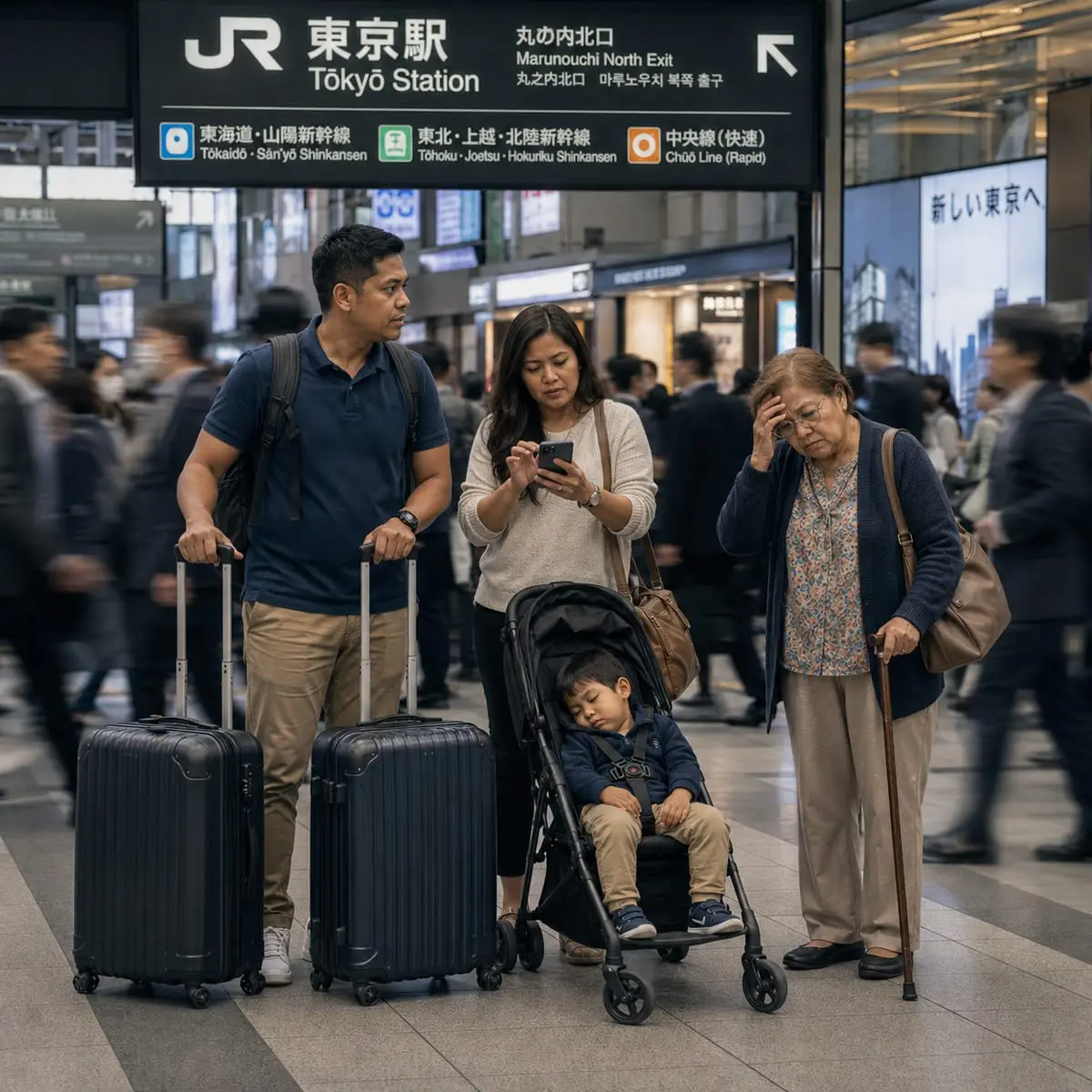
A private vehicle makes travel between these scattered locations more manageable, but guests must still allow time for walking, traffic, parking and crowds.
The best Kyoto itinerary is not the one with the longest checklist. It is the one that follows a logical route, respects the group’s walking ability and leaves enough time to appreciate each place. This guide explains what can realistically fit into one day, how to adjust the route for children or elderly parents, and when a private car provides the greatest value.
Planning a Kyoto day tour? Share your pickup location, travel date, number of guests, children or seniors, mobility needs and must-see attractions. Nomad Diaries can review the route and recommend a realistic itinerary before you book.
Kyoto one-day tour: quick facts
| Detail | Practical guidance |
|---|---|
| Typical tour duration | Approximately 10-12 hours |
| Recommended major areas | Around 3-5, depending on pace |
| Ideal departure | Around 7:30-8:00 AM |
| Pickup | Kyoto, Osaka or another agreed location |
| Best for | First-time visitors, families, seniors and private groups |
| Walking level | Moderate to high, depending on attractions |
| Main challenge | Kyoto attractions are spread across different districts |
| Traffic risk | Higher during weekends and peak seasons |
| Vehicle access | Vehicles cannot always stop at attraction entrances |
| Published Kyoto tour price | ¥140,000 per private vehicle (about US$870) |
Can you see Kyoto in one day?
One day is enough to experience a carefully selected introduction to Kyoto, but not enough to explore the city completely. Kyoto is not one compact sightseeing zone. Its most famous attractions are spread across southern Kyoto, eastern Higashiyama, northern Kyoto and western Arashiyama.
For first-time visitors, three to five major areas are normally more realistic than a list of eight or ten temples. A full-day itinerary must account for more than driving. Guests also need time to walk from legal loading or parking areas, enter temple grounds, take photographs, eat lunch, use restrooms, shop and return to the vehicle.
A private car can remove repeated train and bus transfers, but it does not remove the distances inside Kyoto attractions. The route still needs to be designed around the group’s comfort and the operating conditions on the day.
A full-day Kyoto tour needs to include:
- Hotel pickup, boarding and confirmation of the day’s priorities
- Driving between districts and possible congestion
- Parking or legal loading areas and the walk to attraction entrances
- Time inside shrines, temples and historic streets
- Lunch, snacks, restroom breaks and rest periods
- Shopping and photography time
- The return journey to Kyoto, Osaka or another agreed drop-off point
How many Kyoto attractions can you realistically visit?
Most groups can comfortably visit three to five major areas during a full-day Kyoto tour. The appropriate number depends on the group’s walking speed, the season, pickup location and whether any stop includes a timed cultural activity or extensive shopping.
| Travel style | Realistic number of major areas |
|---|---|
| Relaxed senior itinerary | 3 |
| Family itinerary | 3-4 |
| Standard first-time itinerary | 4 |
| Fast-paced adult itinerary | 4-5 |
| Photography-focused itinerary | 3-4 |
| Shopping and cultural itinerary | 3-4 |
One “area” may contain several sights. The Kiyomizu area can include Kiyomizu-dera, Sannenzaka, Ninenzaka and local shops. Arashiyama can include the Bamboo Grove, Togetsukyo Bridge and the riverside. Counting these as separate attractions may make a four-area itinerary look like eight or more stops, even though the group stays within the same district.
What is the best Kyoto route for first-time visitors?
A strong first-time Kyoto itinerary combines one major shrine, one historic district, one iconic temple and one scenic area. The following route is popular because it introduces several different sides of Kyoto without repeating the same type of experience:
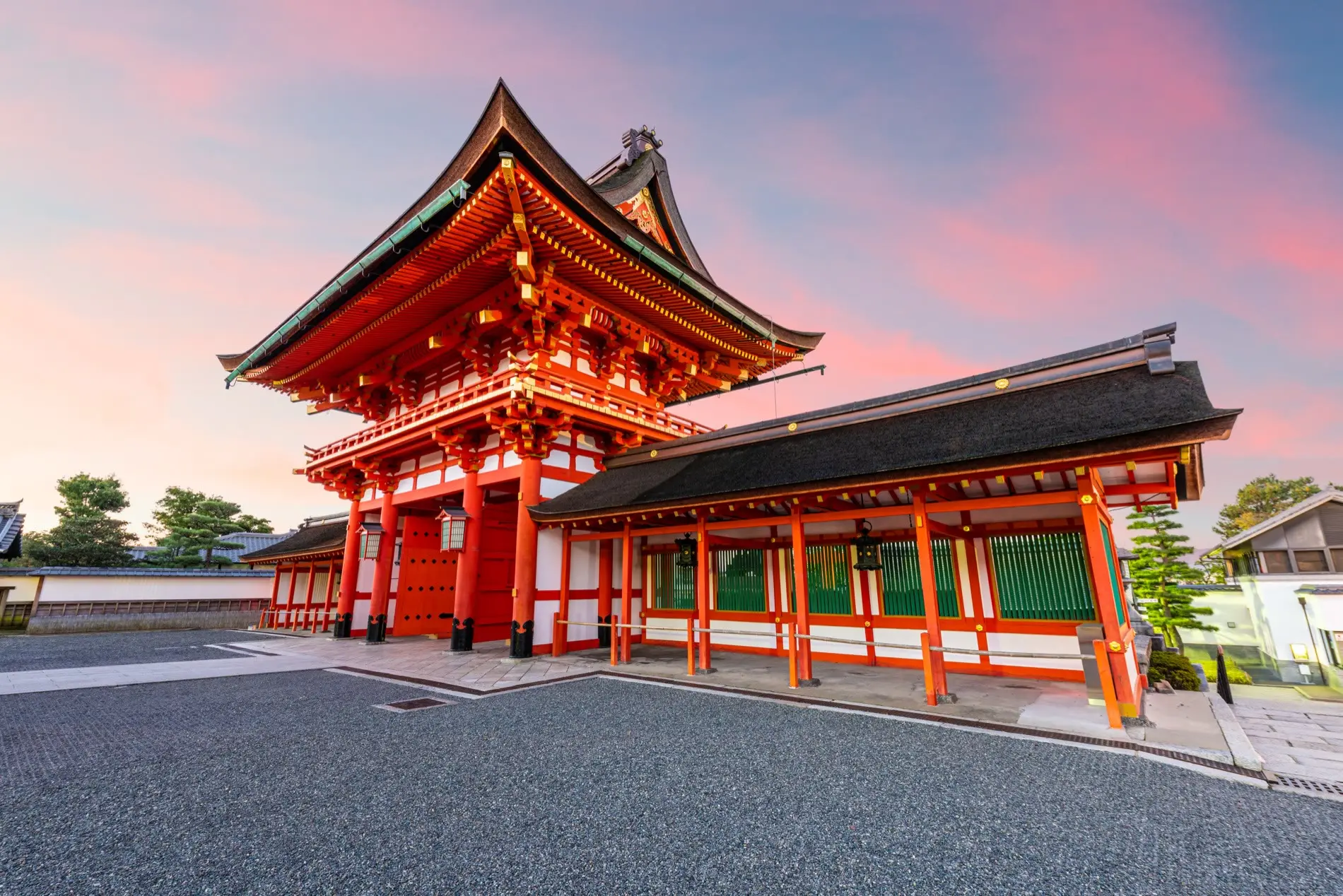
1. Fushimi Inari Taisha
2. Kiyomizu-dera and the Higashiyama streets
3. Kinkaku-ji, the Golden Pavilion
4. Arashiyama Bamboo Grove and riverside area
This sequence generally moves from southern Kyoto to eastern Kyoto, then north and west. The exact order may need to change according to the hotel, traffic, opening hours, restaurant reservations, seasonal events and mobility requirements. Travelers staying in Osaka should also remember that the drive into and out of Kyoto uses part of the booked tour duration.
A realistic promise Fushimi Inari, Kiyomizu-dera, Kinkaku-ji and Arashiyama can often fit into one full day, but each stop must focus on the main highlights. A slower group may need to remove one area to avoid rushing.
Recommended full-day Kyoto private-car itinerary
The schedule below assumes an early pickup in Kyoto and a group that can manage moderate walking. It is an example rather than a guaranteed timetable. Traffic, crowds, weather, restaurant waiting times and the group’s pace may require changes.
7:30-8:00 AM - Hotel pickup
The driver meets the group at the confirmed hotel entrance or pickup point. Starting early provides more flexibility and can help the family reach the first attraction before the busiest period. An Osaka pickup requires additional travel time, so the route may need fewer Kyoto stops.
Before departure, confirm:
- Passenger count and the ages of children
- Stroller, wheelchair or mobility-device requirements
- The group’s top two or three must-see attractions
- Any restaurant or timed-experience reservation
- The final drop-off location
- Walking limitations and preferred rest periods
8:30 AM - Fushimi Inari Taisha
Allow approximately 60-75 minutes for a first-time visit to the lower shrine and a portion of the torii-gate pathway. Fushimi Inari is one of Kyoto’s most recognizable sights, but the complete mountain route is not necessary for a one-day tour.
Families and senior travelers can visit the main shrine, walk through an initial section of the vermilion torii gates and return without climbing to the summit. Visitors who want to hike much farther should treat Fushimi Inari as a major half-day activity and reduce the rest of the itinerary.
Practical considerations:
- Slopes, steps and uneven pathways increase farther up the mountain
- Crowds can slow photography and movement
- Summer heat can make the uphill route more demanding
- Vehicle parking and loading conditions may be busy
- The official shrine advises that parking around the site becomes very crowded
10:15 AM - Kiyomizu-dera and Higashiyama
Allow approximately 90-120 minutes. This area combines one of Kyoto’s most famous temples with traditional streets, local snacks and souvenir shopping. It can also be one of the most physically demanding parts of the standard route because the approach includes slopes and stone-paved streets.
A typical visit may include Kiyomizu-dera, part of Sannenzaka and Ninenzaka, a view toward Yasaka Pagoda and selected shops. The vehicle cannot drive through the pedestrian streets, so guests should expect a meaningful amount of walking even on a private tour.
For a group with limited mobility:
- Shorten the shopping-street portion
- Prioritize either the temple or historic streets rather than both in depth
- Allow more time for slopes and resting
- Discuss the most practical drop-off and pickup points before the tour
- Replace the area when the group cannot safely manage the terrain
12:15 PM - Lunch
Allow approximately 60-90 minutes. A practical restaurant along the route is usually better than crossing Kyoto for a famous meal. The ideal lunch stop should match the group size, dietary needs, children’s preferences, parking conditions and walking ability.
Large groups may need a reservation. During cherry-blossom and autumn-foliage periods, queues can be longer than expected. A relaxed meal also gives children and older travelers time to recover before the afternoon stops.
2:00 PM - Kinkaku-ji
Allow approximately 45-60 minutes. Kinkaku-ji, commonly known as the Golden Pavilion, provides a visually distinct stop after the shrine and historic-street portions of the day. The visit follows a designated outdoor route around the pond and temple grounds.
Kinkaku-ji is often easier to fit into a one-day itinerary than a large temple complex, but crowds can still slow movement and photography. Guests should expect outdoor walking and may need to wait for a clear viewing position.
3:30 PM - Arashiyama
Allow approximately 90-120 minutes for a first-time introduction. Arashiyama is a district rather than one small attraction, so the group should decide which parts matter most. A realistic short visit may include the Bamboo Grove, a walk through the surrounding streets, Togetsukyo Bridge and a café or souvenir stop.
Additional temples, the monkey park or extensive riverside exploration require more time and walking. Adding them without removing something else will normally create a rushed afternoon.
Possible first-time focus:
1. Bamboo Grove
2. Short walk through the surrounding area
3. Togetsukyo Bridge and riverside view
4. Snack, café or souvenir break
5:30 PM - Return journey
The return time depends on the final attraction, the hotel location and evening traffic. Guests returning to Osaka should reserve additional driving time. Shopping, restaurant delays and slower walking can also move the schedule later.
Important schedule note This route is an example. Stops may be shortened, removed or rearranged according to traffic, crowds, operating conditions, weather and the group’s pace. A tour should never rush guests into unsafe walking or illegal roadside loading merely to preserve the original checklist.
Is Fushimi Inari, Kiyomizu-dera, Kinkaku-ji and Arashiyama possible in one day?
Yes, these four areas can often be combined in one full day when the tour begins early, the group is staying in Kyoto and everyone is comfortable with moderate walking. The itinerary must focus on the highlights rather than an in-depth visit to every temple, shop and side street.
This route is more realistic for active adults, families with older children and travelers who are comfortable keeping a steady pace. It may feel rushed for toddlers, elderly guests with mobility limitations, wheelchair users, photographers or travelers who want long shopping breaks.
When the group starts in Osaka, the route remains possible on some days, but travel time reduces the margin for congestion and extended visits. It is better to prioritize three excellent areas than force all four into an uncomfortable schedule.
Family-friendly Kyoto itinerary
Families with younger children usually enjoy Kyoto more when the itinerary contains fewer repeated temple visits, regular restroom stops and time to rest inside the vehicle. A private car can simplify transitions, but parents should still expect substantial walking at the main attractions.
Suggested family route:
1. Short Fushimi Inari visit
2. Kiyomizu-dera or the Gion-Higashiyama area
3. Relaxed family lunch
4. Kinkaku-ji
5. Arashiyama or another child-friendly scenic stop
Family-focused adjustments:
- Do not attempt the complete Fushimi Inari mountain route
- Keep snacks, water and weather protection accessible
- Allow children to rest between districts
- Choose one main shopping area rather than several
- Confirm stroller dimensions and vehicle storage before booking
- Reserve child seats in advance when required
Senior-friendly Kyoto itinerary
A senior-friendly Kyoto tour should reduce steep routes, limit long temple complexes and allow generous boarding and rest time. Age alone does not determine ability, so the itinerary should be based on each traveler’s actual walking tolerance, balance, knee condition and sensitivity to heat or cold.
Possible senior-friendly route:
1. Fushimi Inari lower shrine area or another short cultural stop
2. Kinkaku-ji
3. Relaxed lunch
4. Vehicle-based scenic route or a shorter central Kyoto stop
5. Arashiyama riverside or another accessible viewpoint
Avoid automatically including:
- The full Fushimi Inari climb
- A long Kiyomizu and Higashiyama walking circuit
- Arashiyama Monkey Park
- Multiple large temple complexes
- Five or six major districts in one day
- Shopping streets without planned rest points
Senior-travel principle The best senior itinerary is not necessarily the one with the fewest attractions. It is the route that balances meaningful experiences with enough time to walk safely, sit down and recover.
Kyoto itinerary for children and grandparents
A multigenerational itinerary should follow the comfort level of the traveler with the lowest stamina. The youngest or fastest family member should not set the pace for the entire group.
A balanced structure is one shrine, one historic district, a relaxed lunch, one iconic temple and one scenic area. For example: Fushimi Inari lower area, Kiyomizu-dera or Gion, lunch, Kinkaku-ji and Arashiyama riverside. The group can shorten or remove the final stop when grandparents or children become tired.
Kyoto photography itinerary
Photography-focused travelers should plan fewer areas because good images take time. Waiting for crowds to move, changing lenses, walking to viewpoints and adjusting to light can easily double the time spent at a location.
Possible photography priorities:
- Fushimi Inari torii gates early in the morning
- Yasaka Pagoda, Sannenzaka and Higashiyama streets
- Kiyomizu-dera viewpoints
- Gion streets and traditional architecture
- Kinkaku-ji reflected in the pond
- Arashiyama Bamboo Grove and Togetsukyo Bridge
- Seasonal temple gardens
Choose three or four areas rather than attempting the standard sightseeing stop count. Commercial or professional photography may also require advance permission, and tripods may be restricted in some locations.
Kyoto traditional-culture itinerary
Travelers who are more interested in traditional streets, crafts and cultural experiences than in crossing the entire city may prefer an eastern Kyoto route. A possible itinerary includes Fushimi Inari, Kiyomizu-dera, Higashiyama, Gion and a pre-booked tea ceremony or craft activity.
This approach can provide more depth and less driving than adding Arashiyama. Timed experiences should be booked in advance, and another attraction should be removed when the activity lasts one to two hours.
Kyoto rainy-day itinerary
A private vehicle reduces exposure while moving between districts, but Kyoto remains an outdoor destination. Shrines, temple grounds, historic streets and bamboo paths still require walking in the rain.
Possible rainy-day adjustments include museums, a tea ceremony, craft experiences, covered shopping areas, selected temples with indoor viewing spaces, Kyoto Station facilities, restaurants and cafés. Waterproof shoes and flexible expectations are important because stone streets and slopes can become slippery.
Heavy rain may also slow traffic and make vehicle loading more complicated. When safety becomes a concern, the operations team should shorten the outdoor route rather than preserve every planned stop.
Kyoto during cherry-blossom season
Cherry-blossom season can create large crowds, slow traffic, limited parking and long restaurant queues. Flowering dates also vary from year to year, so no itinerary should guarantee a particular bloom level far in advance.
A more realistic peak-season plan uses three major areas, one primary blossom location, an early start and a flexible lunch. Avoid crossing Kyoto repeatedly for several famous blossom spots. One well-timed location is usually more enjoyable than five crowded, rushed visits.
Kyoto during autumn foliage
Autumn is another high-demand period. Weekend congestion, crowded temple entrances and pressure around Arashiyama can reduce the number of stops possible. Foliage timing also changes according to altitude, weather and location.
Build the itinerary around one or two priority foliage areas. A family interested in Arashiyama should consider reducing the eastern Kyoto portion, while travelers focused on Higashiyama may choose to skip western Kyoto entirely.
Is Kyoto better by private car, train or bus?
Kyoto’s public transportation is useful and often economical, but several major attractions require transfers and additional walking. A private vehicle simplifies movement between districts and helps families stay together, while remaining subject to traffic and parking restrictions.
| Factor | Private car | Train or bus |
|---|---|---|
| Hotel pickup | Yes | Usually no |
| Transfers between districts | Minimal for the group | May require several |
| Children and strollers | More convenient between stops | Possible, but crowded services can be tiring |
| Senior travelers | Reduces station and transfer walking | May involve stairs, platforms and standing |
| Traffic risk | Yes | Buses also face road traffic; trains less so |
| Cost for small groups | Higher | Usually lower |
| Large family coordination | Group stays together | Requires careful coordination |
| Door-to-door flexibility | High within legal access limits | Based on routes and schedules |
Public transportation may be better for solo travelers, couples, active visitors exploring one compact area or travelers whose main priority is price. A private car becomes more valuable for families with children, senior travelers, groups of six to nine, guests with mobility needs and routes that cross several parts of Kyoto.
Can a private vehicle stop directly at every attraction?
No. Kyoto has narrow roads, pedestrian zones, restricted streets and designated parking or loading areas. Guests may still need to walk from the vehicle to temple entrances, historic streets, gardens and shopping areas.
Walking should be expected at Fushimi Inari, Kiyomizu-dera, Sannenzaka, Ninenzaka, Gion, Arashiyama Bamboo Grove and most temple grounds. The value of the vehicle is reducing the travel between these districts, not eliminating all walking within them.
How much walking is required?
| Attraction or area | General walking level | Main concern |
|---|---|---|
| Fushimi Inari lower area | Moderate | Crowds, slopes and some steps |
| Full Fushimi Inari route | High | Long uphill mountain route |
| Kiyomizu-dera | Moderate to high | Slopes and temple grounds |
| Sannenzaka and Ninenzaka | Moderate to high | Stone slopes and crowds |
| Kinkaku-ji | Moderate | Designated outdoor visitor route |
| Arashiyama Bamboo Grove | Moderate | Crowds and walking distance |
| Togetsukyo Bridge area | Low to moderate | Outdoor pathways and weather |
| Gion | Moderate | Historic streets and crowds |
Walking levels are general guidance rather than accessibility guarantees. Conditions, construction, crowd controls and access arrangements can change. Travelers using wheelchairs or mobility aids should request a route review before the travel date.
How traffic affects a Kyoto private tour
Kyoto traffic varies by time, season and district. Morning and evening congestion, weekends, public holidays, road construction, tour buses, special events, rain, cherry blossoms and autumn foliage can all change the schedule.
Travelers starting in Osaka should also consider the journey between Osaka and Kyoto. When traffic becomes heavier than expected, removing one lower-priority attraction is normally better than rushing every visit, creating unsafe walking or exceeding the booked duration without approval.
Can Kyoto and Nara be visited in one day?
Kyoto and Nara can be combined in one day, but the itinerary should focus on selected highlights in each destination. Travelers should not expect a complete Kyoto tour and a complete Nara tour within the same day.
Kyoto-Nara is a specially designed exception to Nomad Diaries’ usual one-primary-destination-per-day approach. Osaka cannot be added to this itinerary as a standard extension because the result would become a rushed three-city transfer day rather than a meaningful tour.
A possible combination includes Fushimi Inari, Nara Park and the Todaiji area, plus one additional Kyoto stop when time permits. This route is better for active adults, repeat visitors and travelers who prefer variety over depth. It is less suitable for toddlers, elderly travelers, guests with limited mobility and first-time visitors who want four major Kyoto areas.
How much does a Kyoto private tour cost?
Nomad Diaries’ published rate sheet lists the following Kansai private-tour prices. The Japanese-yen price is the official reference; the US-dollar amount is an approximate comparison using ¥161 to US$1 for August 2026.
| Private tour | Official published rate | Approximate USD |
|---|---|---|
| Kyoto Day Tour | ¥140,000 | About US$870 |
| Kyoto-Nara Selected Combination Tour | ¥150,000 | About US$930 |
Currency notice Japanese-yen prices are the official reference prices. US-dollar amounts are estimates for convenient comparison and may change according to the exchange rate and payment provider used when payment is processed. Final pricing remains subject to the written quotation.
The final quotation may depend on the pickup area, vehicle type, group size, luggage, travel date, overtime, guide request, child seat, wheelchair arrangement, photographer, special itinerary and drop-off outside the standard service area.
What is normally included?
The written quotation should always control. Depending on the confirmed package, possible inclusions may include:
- Private vehicle reserved for the group
- Professional driver
- Agreed hotel pickup and drop-off
- Fuel and standard route planning
- Operations-team monitoring
- Reasonable itinerary adjustments within the booked duration
- Air-conditioned transportation
Possible exclusions may include:
- Temple and attraction admission fees
- Meals and personal purchases
- Licensed guide or interpreter
- Professional photographer
- Overtime
- Child seat or wheelchair rental
- Cultural-experience fees
- Special parking or entry charges when not stated
Travelers should review the written quotation rather than assume that every item is included.
Common one-day Kyoto itinerary mistakes
1. Planning too many temples and districts.
2. Attempting the complete Fushimi Inari mountain route during a packed tour.
3. Underestimating the slopes around Kiyomizu-dera and Higashiyama.
4. Treating Arashiyama as one quick stop.
5. Ignoring seasonal traffic and crowd levels.
6. Starting too late.
7. Crossing Kyoto repeatedly instead of following one direction.
8. Booking timed activities too close together.
9. Forgetting lunch, restrooms and family rest time.
10. Assuming the vehicle can stop at every entrance.
11. Failing to disclose wheelchairs, strollers or large luggage.
12. Trying to complete Kyoto and Nara fully in one day.
13. Assuming the driver automatically acts as a tour guide.
14. Comparing prices without reviewing inclusions and overtime rules.
Experience Kyoto without rushing between connections
Kyoto’s most famous attractions are spread across different parts of the city, and the ideal route depends on your hotel, travel date, family size, interests and walking ability. A private tour is most valuable when it helps the group stay together, reduce transfers and follow a pace that works for children, parents and grandparents.
Get a Kyoto itinerary recommendation Send Nomad Diaries your travel date, pickup location, number of guests, children or seniors, mobility requirements and must-see attractions. Our team will review whether the route is realistic and recommend the appropriate vehicle and schedule.
Primary action: Get a Kyoto Itinerary Recommendation
Secondary action: View Kyoto Private Tour
About this guide Prices come from the Nomad Diaries published rate card (November 2025): Kyoto Day Tour ¥140,000, Kyoto–Nara Selected Combination Tour ¥150,000. US-dollar figures are approximate, based on the Bank of Japan reference rate of ¥161 per US$1 (August 2026). Destination details are drawn from official sources — Fushimi Inari Taisha, Kiyomizu-dera, Kinkaku-ji and the Kyoto City Official Travel Guide. Operating hours, access controls, admission fees and congestion can change; we recheck them before each tour.